Top Biomedical Science Degree Programme at Private Universities
Biomedical scientists focus on how cells, organs and systems function in the human body; an exciting and dynamic area that is highly relevant to the understanding and treatment of human diseases. Students taking the biomedical science degree programme will have the opportunity to explore a number of essential topics including anatomy, biochemistry, clinical chemistry, genetics, immunology, microbiology, pathology, pharmacology, physiology and legal, social and ethical issues. They will also be equipped with skills in research methodology and laboratory management. However, you will not cover medical training in a Biomedical Science degree programme.
The study of Biomedical Science is ideal for students who love Biology and has a deep interest in the human body. Find out which are the top private universities in Malaysia that you can study this course.
Please fill up the Form below and I will WhatsApp you and provide you with sound advise on how to choose the best private university or college in Malaysia to study at. If you do not give your mobile number or full name as in IC, your query will not be answered. Our knowledgeable & experienced counsellor will send you a message on WhatsApp & provide assistance from there.
Top 3 Private Universities in Malaysia Offering the Biomedical Science Degree Course
Bioscience facilities at Taylor’s University
Biomedical Sciences is heavily reliant on lab work, therefore the lab facilities are an important part when choosing your university. In addition, research and the qualifications of the lecturers are vital as well in making your decision to choose the best university to study Biomedical Science in Malaysia.
Here are 3 top private universities for you to consider:
Biomedical Science is the study of the human body, its structure and function in health and disease. Biomedical scientists require an understanding of medical biochemistry, microbiology, pharmacology, cell and molecular biology, anatomy, physiology, infectious diseases and neuroscience.”
As a qualified biomedical scientist, you will have opportunities to learn about the molecular basis of diseases and build an understanding of analysis of scientific data and the undertaking of biomedical research.
What will you study in the Biomedical Science Degree Course
Founded in 2009, MAHSA University is a top Malaysian university famous for health science programmes and is also excellent for business and engineering courses.
A Biomedical Science Degree usually include courses in molecular biology and biochemistry, immunology, skeletal biology, neuroscience, cell biology, cell analysis and modelling, and genetics. You will study biochemical and physiological functions, anatomical and histological structures, epidemiology, and pharmacology.
Furthermore, you will learn how to both maintain and promote health in humans and animals with knowledge in the basics of nutrition, diseases, and immunology. Delve into fields such as cell and molecular biology, parasitology, and toxicology, and emerge with hands-on experience through laboratory work and research.
You can choose one of the offered areas of concentration, because the graduate-level studies have to be focused. In addition, during your studies you will be required to complete lab reports, research papers, and other types of projects
As a biomedical science major, you may go on to make advancements in the study of cancer or AIDS, become involved in the research of infectious diseases, or propel science toward improving the human condition in any of hundreds of other ways.
What are the Subjects in a Biomedical Science Degree Programme at a Private University in Malaysia?
EduSpiral advised & helped me choose the best college for A-Levels. And now I have graduated from a top ranked UK University in Malaysia Dexter Leong, A-Levels at HELP Academy & Degree from University of Nottingham Malaysia Campus
The 3.5 year Bachelor of Biomedical Science (Hons) programme exposes students to the latest developments in the field of medicine, health sciences and biomedical science research. Below are a sample of the subjects that you will take.
Principles of Life Sciences
Organic Chemistry
Biostatistics
Principles of Biochemistry
Physical & Inorganic Chemistry
Microbiology
Eukaryotic Cell Biology
Human Anatomy & Physiology
Microbial Genetics & Physiology
Clinical Chemistry
Human Molecular Genetics
Infectious Diseases
Genes & Tissue Culture Technology
Immunology
Research & Laboratory Management
Pharmacology
Human Pathology
Principles of Drug Discovery & Development
Natural Product
Medicinal Chemistry
Formulation & Product Development
Design & Management of Clinical Research
Analytical Chemistry
What is the Education Pathway to a Biomedical Science Degree after Secondary School?
I had visited a university & was planning to join them as they were cheaper. I asked EduSpiral for advise & he met me & my parents at Nottingham University & explained to us why it matters to my future if I choose to study at a top ranked university.
The degree will take you 3.5 years or 7 semesters to complete. This will include an industrial attachment or internship.
Accreditation and Recognition
Students interested in the course should ensure that the university is approved by the Ministry of Higher Education and the course accredited by the Malaysian Qualifications Agency (MQA).
What are the Entry Requirements to Study Biomedical Science in Malaysia?
I was confused about what to study & didn’t want to do what my dad was working as because he was so busy. My mum asked EduSpiral to advise me. He showed my that I am different from my dad & helped me to make the right choice. Chong Han, Foundation in Engineering at Taylor’s University
Foundation in Science (FIS) Pass with min. CGPA 2.50 including GPA 2.33 in (ANY 2) subjects: Biology, Physics / Mathematics, Chemistry
Sijil Tinggi Persekolahan Malaysia (STPM) Min. CGPA 2.33 for 2 subjects including GPA 2.33 in (ANY 2) subjects: Biology, Physics / Mathematics, Chemistry
Unified Examination Certificate (UEC) Pass with min. 5Bs including (ANY 2): Biology, Physics / Mathematics, Chemistry
A Levels Min. DD / equivalent of 120 points including min. D in (ANY 2) subjects: Biology, Physics / Mathematics, Chemistry
South Australian Matriculation (SAM) / SACE International ATAR 60 with min. Grade C+ each in (ANY 2) subjects: Biology, Physics / Mathematics, Chemistry
Canadian Pre-University (CPU) Min. average of 60% in 6 subjects including 65% each in (ANY 2) subjects: Biology, Physics / Mathematics, Chemistry
International Baccalaureate (IB) Min. 24 points in 6 subjects including min. 5 points at Higher Level (HL) in (ANY 2) subjects: Biology, Physics / Mathematics, Chemistry
Matriculation in Science Min. CGPA 2.33 for 3 subjects including (ANY 2) subjects: Biology, Physics / Mathematics, Chemistry
MUFY Overall 55%Subject requisites: (ANY 2): Biology, Physics/Mathematics, Chemistry; Minimum 65% in each
Other Qualifications Students with other qualifications will be considered on a case-by-case basis
Career Options for Biomedical Science Graduates
Graduates of this programme will have the opportunity to pursue careers as Biomedical Scientists, Healthcare Scientists, Microbiologists, Forensic Scientists and more in the field of biomedical sciences.
Studying the Diploma in Mechanical Engineering at the Best Universities
In a Diploma in Mechanical Engineering course at a private university in Malaysia, students will undergo training as part of the syllabus on Solidworks and Anysys software; the former will teach students how to create components with parametic methods and to create assemblies while the latter will impart knowledge on computer aided engineering analysis.
Students will gain a broad education in mechanical engineering that is built upon a solid understanding of engineering sciences and mathematics. Furthermore, they will gain knowledge, skills, and technical competency in mechanical engineering discipline and be able to adapt themselves to new technological advancement and challenges in the field of mechanical engineering. The Diploma in Mechanical Engineering is an ideal pathway for students after SPM or IGCSE/O-Levels who intend to pursue a degree in that field
Please fill up the Form below and I will WhatsApp you and provide you with sound advise on how to choose the best private university or college in Malaysia to study at. If you do not give your mobile number or full name as in IC, your query will not be answered. Our knowledgeable & experienced counsellor will send you a message on WhatsApp & provide assistance from there.
Excellent Private Universities & Colleges in Malaysia for Mechanical Engineering and Mechatronic Engineering Degree & Diploma Courses
After starting class at college, I was still confused if the course suited me. I took a bus from Seremban to meet up with EduSpiral for counseling. I have a clearer picture of what to do now. Kuang Joe, Diploma in Mechanical Engineering
The Diploma in Mechanical Engineering at Malaysia’s private universities is a 2 ½ year diploma and provides an opportunity for students to learn theoretical and practical skills to work in the mechanical and manufacturing industries. Mechanical engineering skills are highly needed as there is a shortage of technicians everywhere.
The Diploma in Mechanical Engineering is more practical and focused on Mechanical Engineering compared to taking the Foundation in Engineering or a Pre-University Programme. It is an excellent entry point for students who have at least 3 credits in SPM or IGCSE/O-Levels.
Mechanical engineering is a diverse and challenging field where students will use practical skills combined with innovative thinking to design and build mechanical devices, systems and machines.
What is the Duration of a Diploma in Mechanical Engineering Course?
The Diploma in Mechanical Engineering at a private university in Malaysia is a 2 ½ year programme or 7 semesters, in line with the requirements of the Engineering Accreditation Council Malaysia (EAC) and Malaysian Qualifications Agency (MQA).
The duration will include a semester for internship.
Accreditation and Recognition
Students should study the Diploma in Mechanical Engineering at a reputable private university recognised by the Ministry of Higher Education as well as the course being recognised by the Engineering Accreditation Council Malaysia (EAC) and accredited by the Malaysian Qualifications Agency (MQA).
With this, you can then enter into Year 2 of the Mechanical Engineering degree that’s accredited by the Board of Engineers Malaysia (BEM).
What is the Education Pathway into Mechanical Engineering after SPM or IGCSE/O-Levels?
With any 3 credits in SPM or IGCSE/O-Levels including Maths & a Science subject, you can go for the Diploma in Mechanical Engineering at a top private university in Malaysia. After the 2.5-year diploma, you can continue on to Year 2 of the Degree at the same university or college if the degree course is offered. There is no need to perform exemptions if you continue on to degree at the same university.
Why Study the Diploma in Mechanical Engineering instead of Foundation?
I didn’t know what to study after A-Levels. EduSpiral helped me to understand what I am good at as well as what’s in demand for the future. Renee Tan, Mechanical Engineering at Heriot-Watt University Malaysia
If you are sure of what course you want to study for your degree, you can just go straight into the Diploma in Mechanical Engineering course.
If you are not sure of what you want to study in the degree, go for Foundation because you have one year to decide on what to take for your degree. You can apply up to RM8,000 a year for the PTPTN Loan while there is no loan for the Foundation.
In the diploma you will study subjects related to your course while in the Foundation, you will study general subjects mostly unrelated to your course. Some diploma courses are 2 years while others are 2.5 years. If it is 2.5 years, you may take longer to complete your degree. If it is a 2-year diploma, then the time taken is the same to complete the degree when you take Foundation.
SPM (3 relevant credits) – Diploma (2 or 2.5 years) – enter degree Year 2 (3 years)
What are the Entry Requirements for the Diploma in Mechanical Engineering at a Private University in Malaysia?
Pass SPM or its equivalent with at least credits in 3 subjects, including Mathematics and 1 relevant science/technical/vocational subject AND a pass in English OR
Pass STPM or its equivalent with a pass in Mathematics, English and 1 relevant science/technical/vocational subject at the SPM level OR
Recognised Certificate in Engineering/ Engineering Technology or its equivalent OR
Recognised related Vocational and Technical/ Skills Certificate or its equivalent with 1 year of relevant work experience or a minimum 1 semester of a bridging programme
What are some of the Subjects that You will Study in the Diploma in Mechanical Engineering Programme?
I loved motorsports and EduSpiral gave me great advise to help guide me to achieve my dream. Justin Moo, Mechanical Engineering graduate from Taylor’s University
Mathematics
Chemistry
Physics Communicative English
Engineering Drawing
Science Laboratory
Statics
Computer Programming
Material Science
Introduction to Information Technology
Solid Mechanics
Thermodynamics
Dynamics
Computer Aided Design
Fluids Mechanics
Mechanical Design
Manufacturing Technology
Industrial Training
Mechanics of Machines
Final Project
Electrical & Electronics Technology
Management for Engineers
Engineering Health & Safety
Where to Study the Diploma in Mechanical Engineering Course in Malaysia?
Not many private universities offer the Diploma in Mechanical Engineering course. There are a few reputable private universities that you can consider such as First City University College and MAHSA University. Their courses are accredited by the Malaysian Qualifications Agency (MQA) as well as recognised by IEM.
In addition, students have access to excellent facilities and engineering labs. The fees are not too expensive and you will receive personal attention from the lecturers.
Transfer credits from Diploma in Mechanical Engineering into Degree Year 2 into Top Private Universities in Malaysia
I met EduSpiral and he helped me to filter all the information from the universities and choose the best university that fit me. Vincent Hoy, Graduated from Mechatronic Engineering at Asia Pacific University (APU)
Most diplomas in mechanical engineering can be transferred to another college or university into the Year 2 of the relevant programme. If you have taken the Diploma in Mechanical Engineering, it is highly likely that you can enter into Year 2 of the degree in Mechanical Engineering.
However, if you go from the Diploma in Civil Engineering into the Degree in Mechanical Engineering, then you may not get the optimum amount of exemptions because the subjects in your diploma are not similar with the degree course of the university that you want to transfer to.
To transfer your credits into another university, you will need to submit the following documents for exemptions:
Transcripts from your current college or university
Course outline for all the subjects taken
Letter of completion or Diploma Certificate
Copy of SPM Certificate
Which are the Top Private Universities that you can Transfer your Credits for the Mechanical Engineering Degree?
Being from Pangkor made it difficult to find information on the universities to transfer after my Diploma. EduSpiral gave a lot of information & advise that helped me to choose the right university. They even picked me up from the bus station to drop me at the hostel. Jayden Cheah, Mechatronics Engineering Graduate
Upon completion of your Diploma in Mechanical Engineering, you may continue on to Year 2 of the Mechanical Engineering or Mechatronic degree at the same university or transfer to another university. Below is a list of universities that you can consider:
Route to becoming a Professional Architect in Malaysia by Studying at Top Private Universities Accredited by Lembaga Arkitek Malaysia (LAM)
Architects in Malaysia are required to have a certain level of qualification, which is governed by the Board of Architects Malaysia, or Lembaga Arkitek Malaysia (LAM). It is known as LAM Parts I, II, and III. You will certified by the Board of Architects Malaysia after you go through these three levels of examinations. The architecture profession in Malaysia is protected by law and is regulated by the Lembaga Akitek Negara (LAM). They govern the entire profession starting from the definition of an architect under the Malaysian Constitution, licensing, practice, acts and enactments as well as education.
Students after SPM or IGCSE/O-Levels who are interested in becoming an architect in Malaysia should go for an Architecture Foundation Programme or Diploma. Upon completion, you can then continue on to a LAM-accredited Architecture degree equivalent to LAM Part I. The next step is to go for the Master of Architecture programme equivalent to LAM Part II. Graduates of Architectural programme must register with the Board of Architects Malaysia (LAM) as an Architectural graduate and register with Malaysian Institute of Architects (PAM) as a graduate member. During this period, they must obtain two years’ work experience of which one year must be obtained in Malaysia in an Architect’s practise registered with LAM. When you are ready and have completed all of the project requirements set by LAM and submitting an evaluation report, you will then take LAM Part III examination. You will need to pass the joint LAM-PAM Part 3 examination before you can become a corporate member of PAM and a registered professional Architect with LAM.
LAM Part I – Completing this allows you to become an Assistant Architect
LAM Part II – Completing Part 2 allows you to register as a Graduate Architect
LAM Part III – When you pass Part 3, it entitles you to register as an Architect with LAM and qualifys you to become a Professional Architect (Ir.).
Another important body concerning architects is the Pertubuhan Arkitek Malaysia (PAM) who takes care of the well being of the architects including professional development from the lowest to the highest qualifications. They also organise functions and activities for their members.
Please fill up the Form below and I will WhatsApp you and provide you with sound advise on how to choose the best private university or college in Malaysia to study at. If you do not give your mobile number or full name as in IC, your query will not be answered. Our knowledgeable & experienced counsellor will send you a message on WhatsApp & provide assistance from there.
Pathway to Become Professional Architect in Malaysia for Students Starting from SPM or IGCSE/O-Levels
The architecture profession in Malaysia is protected by law. The regulating and governing body of the architecture profession in Malaysia is known as Lembaga Akitek Negara (LAM). They govern the entire profession starting from the definition of an architect under the Malaysian Constitution, licensing, practice, acts and enactments as well as education.
The other body that concerns the well being of architects themselves is Pertubuhan Akitek Malaysia.
It functions as an association that takes care of its members, organize functions and manages the professional development of an architect from the lowest to highest qualification. Just like Bar exams for lawyers, architects also require certain level of qualification that is a standard worldwide.
The qualifications are known as LAM Part 1, 2 and 3. The equivalent of this is RIBA (Royal Institute of British Architects), AIA (American Institute of Architects) and RAIA (Royal Australian Institute of Architects).
STEP 1 – Choose the Right Pre-University Programme
Students who have just completed their SPM or IGCSE/O-Levels and are interested to become a Professional Architect in Malaysia can go for a Pre-University course before continuing on to an Architecture degree programme.
There are many types of Pre-University Progammes such as the A-Levels,SACEi, AUSMAT, CIMP, etc. All of these are accepted for entry into the Architecture degree course. However, if you are sure that you want to pursue the degree in Malaysia, then best is to take the Foundation in Natural & Built Environment or an Architecture Foundation course.
The subjects for the Foundation in Natural & Built Environment or an Architecture Foundation course will be related to architectural studies and help prepare you more specifically to handle the rigours of the degree programme.
The architecture degree is a very difficult course and although the other Pre-University programmes are accepted for entry, they would not prepare you well to handle the challenges.
STEP 2 – Choose the Right University for the Architecture Degree
After completing your Pre-University programme, you will then look for a university that’s offering the Architecture degree programme that’s accredited by LAM to be equivalent to LAM Part I. The degree will take you 3 years to complete. To obtain LAM Part I qualification you need to do one of the following:
Go for a LAM Accredited Architecture degree, OR
Sit for individual LAM qualification exams if you have a non-accredited architecture degree, OR
Have a minimum of 10 years of relevant working experience in the field of architecture
Graduates who obtained the qualifications in architecture from the relevant universities/institutions listed in the Lembaga Arkitek Malaysia (LAM) website or after passing the LAM Part I and II Examination are eligible to register as Graduate Architect with the Board of Architects Malaysia.
STEP 3 – Choose the Right University for the Master in Architecture
The next step after graduating from the Architecture Bachelor’s programme is to go for the Master in Architecture which would be equivalent to LAM Part II. To obtain Part II certification, you will need to study for two to four years in an accredited Master’s degree in Architecture.
These qualifications can be obtained in two ways:
Obtaining a fully accredited degree (or equivalent) that carries Part 1 or 2 equivalent.
Sitting for individual exams after obtaining a non-accredited degree for Part or 2.
After graduating with Part 2, a person is known as an architect, and will be able to practice according to the job specification of an architect. This should be the minimum target of anyone pursuing this profession. Anything less is a waste of time.
STEP 4 – Work for a Minimum of 2 Years
Master Graduates will then need to work for at least 2 years (104 weeks) under the supervision of an appointed Architect. 1.5 years of the work experience must be at an Architect’s office. You will need to submit evidence of your practical experience. This would cover:
A recorded experience covering the full scope of architectural services in a log book
Log book and/or other evidence of the applicant’s practical experience
At the end of 2 years or when you are ready, you will then submit the Professional Experience Evaluation Report
Step 5 – Take the LAM Part III Exam
After submission of the Professional Experience Evaluation Report, you can go for the LAM Part 3 Professional Exam.
Part 3 can only be obtained after practicing as an architect for a minimum of 2 years and fulfilling all the project requirements set by LAM. The Average pass rate is 9%~20%.
Fulfilling these needs, the architect will then submit themselves to a series of interviews and exams to determine that they are capable and absolutely qualified. These exams are conducted by Persatuan Arkitek Malaysia (PAM).
Requirement for Registration as Graduate Architects
The applicant shall be a person who :
holds a qualification which is recognised by the Board. (Please refer to the List of Architectural Programmes).
A applicant with qualification which is not recognised by the Board shall be required to sit for the Part I and II Examination conducted by the Architectural Examination Council of Malaysia.
The list of Architectural Programmes accredited by the Board refers to programmes conducted by the relevant universities/institutions on a full times basis at their main campuses. The list does not include programmes conducted by the said universities/institution wither in the form of twinning, franchise or based on agreements between recognised and and unrecognised universities/institutions. Applicant from the said programmes are required to sit and pass the Part I and Part II Examination before they are qualified to register as a Graduate Architect with the Board.
Applicant from any unrecognised programmes are only allowed to be given a maximum of one (1) year advanced standing or thirty percent (30%) of credit transfer with a recognised Part I programme subject that such programme has been recognised by Malaysian Qualification Agency (MQA).
Application for registration must be submitted in the prescribed Registration Form together with the following :-
2 copies of recent photographs
a copy of Identity Card / Passport
a copy of the SPM or O Level equivalent
a copy of the STPM, A Level, Foundation, Matriculation or the equivalent
a copy of the Diploma or Degree (Part I and II) Examination transcripts for each year of study a copy of the exemption of Part I and II Examination LAM where relevant Registration fee for the amount of RM 100.00 and RM 100.00 for the processing fee
All documents submitted must be certified as true copies by an Architect registered with the Board.
Entry Requirements for the Foundation in Natural & Built Environments programme
SIJIL PELAJARAN MALAYSIA (SPM) Pass with minimum of 5 credits including English and Mathematics
O LEVEL Pass with minimum of 5 credits including English and Mathematics
UNIFIED EXAMINATION CERTIFICATE (UEC) Pass with minimum of 5Bs including Mathematics
OTHER QUALIFICATION Any other equivalent qualifications recognised by the Malaysian Government
Entry Requirements for Architecture Degree
After SPM or IGCSE/O-Levels, students must possess a credit in Maths & any one Science subject in order to enter into the Foundation in Architecture or Foundation in Natural & Built Environment.
To enter the Architecture degree course, students need to have the following qualifications:
Foundation in Arts or Science Entry Requirement for Architecture degree -Minimum CGPA 2.0 including credit in Maths
STPM Arts or Science Stream Entry Requirement for Architecture degree -Pass with minimum CGPA of 2.00 (or equivalent) Minimum Grade C for 2 subjects INCLUDING Maths
A-Levels Entry Requirement for Architecture degree -Minimum Grade C for 2 subjects INCLUDING Maths
UEC Commerce or Science StreamEntry Requirement for Architecture degree -5 Credits (‘B’ grade) inclusive of Maths
South Australian Matriculation (SAM) Entry Requirement for Architecture degree – Minimum average of 65% in 5 subjects inclusive of Maths
Canadian Pre-U (CPU) Entry Requirement for Architecture degree – Minimum average of 65% in 6 subjects inclusive of Maths
Find Out What You will Study in a Bachelor of Physiotherapy Degree at the Best Private Universities in Malaysia
A Bachelor of Physiotherapy (Honours) is a degree preparing you to qualify as a physiotherapist in Malaysia, and treat a range of health conditions. At Malaysia’s top private university, you will learn from expert physiotherapists and provides you with the knowledge, skills and clinical experience needed to prepare for a rewarding career in physiotherapy.
Job demand for physiotherapists in Malaysia is on the increase as we become a developed nation and awareness for quality healthcare grows. An ageing population and a nation increasingly participating in sports and exercise will require qualified and trained physiotherapists to handle the problems that may arise from them. Physiotherapy can be defined as a treatment method that focuses on the science of movement and helps people to restore, maintain and maximize their physical strength, function, motion and overall well-being by addressing the underlying physical issues.
Please fill up the Form below and I will WhatsApp you and provide you with sound advise on how to choose the best private university or college in Malaysia to study at. If you do not give your mobile number or full name as in IC, your query will not be answered. Our knowledgeable & experienced counsellor will send you a message on WhatsApp & provide assistance from there.
Which are the Top Private Universities in Malaysia to Study Physiotherapy?
Top Private Universities in Malaysia to Study Physiotherapy
The healthcare professionals in Malaysia who provide physiotherapy are called physiotherapist. They are highly trained, with physiotherapy qualifications, and are skilled at pinpointing the root causes of an injury, as well as treating them.
Often, a problem originates in a completely different part of the body than the spot where the pain is centralized. To become a qualified physiotherapist in Malaysia students need to obtain a degree in Physiotherapy from a top private university.
Choosing to study at the best university will allow you to study from experienced lecturers with industry experience, access to advanced facilities and equipment and well connected health care partners for clinical placements. Here are Malaysia’s top 3 private universities to study the Bachelor of Physiotherapy (Hons):
Founded in 2009, MAHSA University is a top Malaysian university famous for health science programmes and is also excellent for business and engineering courses.
MAHSA University is Malaysia’s premier health care private university with more than 30 years of experience. Students have access to high end facilities and equipment at its 48-acre campus in Bandar Saujana Putra.
The Bachelor of Physiotherapy (Hons) at MAHSA University is designed in consultation with a panel of local and international experts, resulting in a highly sought after curriculum that combines theoretical learning and practical sessions in physiotherapy centres and hospitals. The Bachelor of Physiotherapy (Hons) is designed in consultation with a panel of local and international experts, resulting in a highly sought after curriculum that combines theoretical learning and practical sessions in physiotherapy centres and hospitals.
MAHSA University’s Bachelor of Physiotherapy (Hons) is a 4-year undergraduate degree programme that prepares students for a career caring for and rehabilitating patients with neurological, cardiorespiratory, musculoskeletal or other debilitating conditions through the use of expert techniques to reduce pain, improve movement and restore muscle control to maximize mobility.
Students will immerse themselves in the study of functional anatomy, physiology, pathophysiology, foundation of psychology, physiotherapy rehabilitation, clinical practice and health science research. They will also learn the use of physical manipulation of the anatomy to regulate muscles and nerves, the many exercises that can be performed for specific needs, and the uses of electrotherapy, ultrasound, acupuncture, and hydrotherapy in their rehabilitative efforts.
No. 2. Aimst University
AIMST offers two programs in physiotherapy. A three-year Diploma in Physiotherapy and four-year Bachelor of Physiotherapy (Hons) program.
The diploma program is opened for SPM leavers and the degree program caters for STPM and foundation students.
Bachelor of Physiotherapy program also admits students with Diploma in Physiotherapy for credit transfer to two and a half (2½) year Bachelor of Physiotherapy (Hons).
Both the programs are well designed to produce graduates with in-depth knowledge and skills to assess and formulate physiotherapeutic diagnoses and provide appropriate interventions, rehabilitation and treatments to patients with a physical disability, functional limitation and other illnesses and injuries.
Both diploma and degree courses in physiotherapy are developed to educate and train graduates to be physiotherapy practitioners.
The course utilizes a problem-oriented approach in physiotherapy education emphasizing student-centred learning.
The course aims to develop and cultivate skills in critical thinking, problem-solving and decision making, which are essential for professional practice as a physiotherapist.
The practical experience gained through workplace learning help to nurture clinical competence and enhancing hand-on skills.
No. 3. INTI International University
The 4-year Bachelor of Physiotherapy is offered at INTI International University at the campus in Nilai. Total fees for the programme will amount to more than RM90,000. This intensive four-year programme combines an extensive practical training element in a clinical environment and a thorough grounding in the medical and anatomical knowledge necessary to prepare graduates for a career as a physiotherapist. The course enables students to professionally assess and treat patients with a programme of physiotherapeutic exercises and corresponding treatment along with the skills needed to identify and correct potential disabilities in patients and their lifestyles before they occur. Students will also be trained in the critical soft skills necessary for success as a practitioner in public or private practice that include problem solving, organisational abilities, communication and management skills.
Students will learn how to evaluate, treat and prevent functional limitations. They will be equipped with the skills to formulate physiotherapeutic exercises and treatments for those with physical disabilities. Students will also be trained in the areas of assessment and screening, which will enable them to identify factors and possible disabilities before they set in. This programme will also improve students’ management, communication, problem-solving and organisational abilities.
What is the Duration of Study for a Bachelor of Physiotherapy?
The course takes four years (8 semesters) of full-time study to complete.
What is the Education Pathway to Become a Physiotherapist in Malaysia?
Physiotherapists can help with sports injuries
Students after SPM or IGCSE/O-Levels may enter the Foundation in Science for 1 year and then continue into the 4-year top rated Physiotherapy degree. In order to enter the Foundation in Science, students must have a Minimum of 5 credits including Mathematics, 2 science subject and 2 other subjects
UEC graduates who achieve a Minimum Grade B in 5 subjects including Chemistry & Biology/Physics may enter directly into Year 1 of the Physiotherapy degree programme.
Alternatively, students after SPM or IGCSE/O-Levels will need at least 5 credits in the relevant subjects to enter the Diploma in Physiotherapy course. SPM students must have a PASS in Bahasa Melayu and English and 5 credits including Mathematics, ONE science subject (Biology/Physics/Chemistry/General Science/Applied Science); and Any other THREE subjects (including Bahasa Malaysia and/or English if credits). For IGCSE/O-Level graduates, they will need a PASS in Bahasa Melayu or English and 5 Grade C in Mathematics and ONE science subject (Biology/Physics/Chemistry/General Science/Applied Science); and Any other THREE subjects (including Bahasa Melayu and/or English if obtained Grade C)
Upon completion of the diploma in physiotherapy with a minimum CGPA of 2.75, students may continue on to Year 2 of the Bachelor of Physiotherapy (Hons).
What are the Entry Requirements to Join a Bachelor of Physiotherapy Degree in Malaysia?
Pass STPM/Matriculation/Pre-University or equivalent qualification with minimum GPA 2.33 in 2 of the following subjects: Biology/Physics or Mathematics/Chemistry
A-Levels or equivalent qualification with minimum Grade D in 2 of the following subjects: Biology/Physics or Mathematics/Chemistry
Recognized Diploma with CGPA less than 2.75 in related field and a minimum of 3 years (36 months) working experience in the related field
English Proficiency: Malaysian candidates: MUET Band 3 or IELTS (5.5)/TOEFL (550) International candidates: IELTS (5.5)/TOEFL (550) paper based or equivalent
South Australian Matriculation (SAM): Score 12 in 3 subjects including Chemistry & Biology/Physics & 1 other subject
International Baccalaureate (IB): Minimum score 24 including Chemistry & Biology/Physics Recognized Diploma with minimum CGPA of 2.75 in related field
UEC: Minimum Grade B in 5 subjects including Chemistry & Biology/Physics
CPU/CIMP/Ontario Secondary School Diploma/Western Australian Curriculum Council/HSC/UNSW/New Zealand Bursary/ American High School with Advanced Placement (AP): 60% for 3 subjects including Chemistry & Biology/Physics & 1 other subject
Who Should Study Physiotherapy?
Study Physiotherapy in Malaysia
Interest in Biology
Students who excel in Biology can consider studying Physiotherapy. You will study how the body works and assist in its healing process.
Interest in Sports
Students who desire to work in the sports and fitness industry can go for this course. Careers in sport are difficult to come by but if you obtain a degree in Physiotherapy, and you will give yourself a decent chance of being employed in the area. Professional sports teams need their physiotherapists. Alternatively, you could become a sports injury specialist.
Interest in Health Care
Graduates will work in hospitals and health care centres
You Prefer a Hands-On Practical Course and Career
Physiotherapy courses include plenty of hours in the classroom where you learn from experts in the field. Besides the usual brand of lectures and seminars as the core of learning, there’s a fun practical aspect to studying the subject area. Your days will be full of problem-based learning, tutorials and eventually work experience in hospitals or clinics.
Desire to Help People Lead a Healthy Life
If you enjoy helping people and is able to empathise with their problems, this is an excellent course for you
Becoming a physiotherapist means you can play a key role in enabling people to improve their health, wellbeing and quality of life. It’s a profession that works with people to identify and maximise their ability to move and function
You like to Encourage and Motivate People
Some patients may in pain or not able to move, making them depressed. It is your job to encourage and motivate them to see the end goal and the benefits of performing the exercises daily
It comes naturally to you to persuade and influence them to perform the exercises
You have a lot of Patience
The path to healing may take a while and some patients may not listen to you, therefore you will need to be patient in helping them.
You Enjoy Working with People
If you are a people person and enjoy interacting with people, this course will provide you with many opportunities
Studying Physiotherapy at a Top Private University in Malaysia
Physiotherapy is an excellent career for students who love Biology and sports
Physiotherapists are experts in movement throughout the lifespan – from birth right through to old age. If you have trouble with any aspect of body movement, a Physiotherapist has the expertise to find out why. Their training and expert knowledge of how the body works allows them to help people – whether ill, injured, disabled or healthy – to exercise and to regain or improve their function.
Using knowledge from our extensive scientific background of human anatomy and physiology, Physiotherapists can help to assess, diagnose and treat injuries and conditions that affect people in all ages or to assist a patient to prevent injury in the workplace or sports related.
Physiotherapists use mainly physical means such as exercise, manipulation, mobilisation, massage and electrotherapy to help patients achieve their full potential. Traditionally, physiotherapy was regarded as rehabilitative and mainly hospital-based, but the profession has always been active in other health care areas and collaborate with doctors and pharmacists.
They also review exercise routines, new supplements on the market and physiotherapists have invaluable expertise to offer in educational and preventative roles in the community, the workplace and in private practice in Malaysia.
What will you Study in a Physiotherapy Degree Course?
The Bachelor of Physiotherapy course will provide intensive training in relevant clinical environments, and the chance to study with expert physiotherapists and leading researchers. Students will acquire the knowledge and skills you need to practice as a physiotherapist, using exercise, movement analysis, manual therapy and specialist techniques to restore, improve and promote health.
The degree programme will prepare you for a range of career opportunities, working independently or as part of a team of healthcare professionals.
Programme Outcomes for the Physiotherapy Degree Include:
After successfully completing the 4-year Bachelor of Physiotherapy programme, graduates are:
Physiotherapists who are knowledgeable, skilful and able to make a professional decision as a team involved in the health care services.
Physiotherapists who can communicate effectively in managing patients and possess quality leadership in an organization.
Competent physiotherapists with the ability to optimize the use of technology in assessing, analyzing, managing patients.
Physiotherapists who fulfil the government’s aspiration in health services towards the public in terms of improving accessibility, quality and effective health care in the nation based on evidences.
Physiotherapists who integrate faith, knowledge and good character in their lives in accordance with the vision and mission of the university and accountable to society.
Upon completion of this programme, students will be qualified to
aid and rehabilitate patients with reduced mobility due to muscular, neurological, cardiovascular, or respiratory conditions.
diagnose and assess physiological problems and devise treatment plans to improve patients’ mobility.
reduce pain and discomfort in patients in their physiotherapeutic efforts; encourage and cheer patients and give them moral support.
give sound advice to patients and their families and educate them about the improvement of their situations and the prevention of unwelcome conditions.
promote patient health and well being.
write reports and maintain records of patients’ treatment and progress
manage clinical risks.
At the end of the programme, student shall be able to:
Apply physiotherapy knowledge in making sound clinical decisions.
Apply appropriate physiotherapy skills in managing patients.
Provide physiotherapy service for rehabilitation for the community.
Act appropriately according to the professional ethical conduct.
Work efficiently in multidisciplinary healthcare teams with effective communication skills and good leadership.
What are the Subjects that You will Study in a Physiotherapy Degree at a Private University in Malaysia?
Subjects for the Bachelor of Physiotherapy will vary from university to university. The degree programme involves lectures, Problem-based Learning, in-house practical sessions, research project, elective postings and clinical placements. Below are just a sample of subjects that you will study in the 4-year degree programme.
Physiotherapy Practice In Cardiorespiratory: Respiratory Conditions
Clinical Practice
Physiotherapy Practice In Neurology
Physiology Practice In Musculoskeletal
Physiotherapy Practice In Cardiorespiratory II: Cardiac Condition
Physiotherapy Practice In Neurology
Physiology Practice In Musculoskeletal
Research Methods I: Writing Research Proposal
Physiotherapy Practice In Geriatrics
Physiotherapy Practice In Women’s Health
Physiotherapy Practice In Paediatrics
What do Physiotherapists do in Malaysia?
How to Become a Physiotherapist in Malaysia?
Physiotherapists are experts in movement throughout the lifespan – from birth right through to old age.
If you have trouble with any aspect of body movement, a Physiotherapist has the expertise to find out why. Their training and expert knowledge of how the body works allows them to help people – whether ill, injured, disabled or healthy – to exercise and to regain or improve their function.
Using knowledge from our extensive scientific background of human anatomy and physiology, Physiotherapists can help to:
Assess, diagnose and treat injuries and conditions that affect people in all ages
Assist a patient to prevent injury in the workplace, exercise or sports related
Promote healthier lifestyles for all
Physiotherapists use mainly physical means such as exercise, manipulation, mobilisation, massage and electrotherapy to help patients achieve their full potential. Traditionally, physiotherapy was regarded as rehabilitative and mainly hospital-based, but the profession has always been active in other health care areas. Physiotherapists have invaluable expertise to offer in educational and preventative roles in the community, the workplace and in private practice in Malaysia.
What are the Career Opportunities for a Physiotherapist in Malaysia?
Physiotherapists or Physical therapists have an important role in Malaysia Healthcare services of people of all ages. They help to restore functional mobility when patients are having injuries, illness, or are living with chronic illness or long-term impairments.
Physiotherapists can choose to work across a broad spectrum that ranges from paediatrics to care of the elderly, and from occupational health to intensive care.
Physiotherapists practice in diverse employment opportunities in a variety of settings, which include hospitals, medical centres, physiotherapy clinics, outpatient clinics, orthopaedic clinics, health and wellness clinics, rehabilitation centres, nursing homes, extended care facilities, education and research centres, schools, hospices, fitness and sports training centres, and industrial facilities. A strong scientific background with excellent communication skills, good clinical reasoning, caring, patient are the basic characteristics a physiotherapist.
As you gain experience, you might prefer to work with a variety of medical conditions or to specialize. Your career might progress in numbers of rewarding directions, whether towards clinical practice, or further study to be a lecturer or researcher.
Top 3 Private Universities in Malaysia for Diploma in Physiotherapy
Students taking the Diploma in Physiotherapy will gain in-depth knowledge and skills to assess and formulate physiotherapeutic diagnoses and provide appropriate interventions, rehabilitation and treatments to patients with a physical disability, functional limitation and other illnesses and injuries.
It is important to choose a top private university to study the Diploma in Physiotherapy course in order to gain the necessary knowledge and skills to lead a successful career. The university should have years of experience in offering the course supported by top notch physiotherapy facilities and equipment.
In addition, they develop and cultivate skills in critical thinking, problem-solving and decision making, which are essential for professional practice as a physiotherapist. The practical experience gained through workplace learning help to nurture clinical competence and enhancing hands-on skills.
Please fill up the Form below and I will WhatsApp you and provide you with sound advise on how to choose the best private university or college in Malaysia to study at. If you do not give your mobile number or full name as in IC, your query will not be answered. Our knowledgeable & experienced counsellor will send you a message on WhatsApp & provide assistance from there.
Study at the Best Universities in Malaysia for Diploma in Physiotherapy after SPM or IGCSE/O-Levels
Students who have just completed their SPM or IGCSE/O-Levels with a passion for health care and interest in Biology may go for the Diploma in Physiotherapy. It is important to choose a top private university to study this course in order to gain the necessary knowledge and skills to lead a successful career. The university should have years of experience in offering the course supported by top notch physiotherapy facilities and equipment.
Below are Malaysia’s best private universities offering the Diploma in Physiotherapy:
MAHSA University is best known in Malaysia for their medical, dentistry, nursing, pharmacy, physiotherapy, biomedical and health science courses.
The Diploma in Physiotherapy at MAHSA University is designed in consultation with a panel of local and international experts, resulting in a highly sought after curriculum that combines theoretical learning and practical sessions in physiotherapy clinics and hospitals. Students of the Diploma in Physiotherapy gain experience in our rather exhaustive list of panel of hospitals throughout Malaysia.
MAHSA University’sDiploma in Physiotherapy is approved by the Malaysian Qualifications Agency and Ministry of Higher Education Malaysia and recognized by the Ministry of Health, Malaysia. Tuition fees for the Diploma in Physiotherapy at MAHSA University are kept at an affordable level, to ensure there are little barriers to a good quality education.
No, 2. UOW Malaysia College
University of Wollongong Malaysia (UOWM) KDU
Started as a business unit in 2009 and grew to ~1100 students at present and offering over 18 programs. Ramsay Sime Darby Healthcare College has been involved in Healthcare Education for almost 20 years conducting degree, diploma, certificate programs as well as in-house training.
In 2020 the college relocate to UOW Malaysia College in Glenmarie and join the University of Wollongong’s (UOW) global network of higher education campuses as part of long term health education.
The Physiotherapy Program at UOW Malaysia College encompasses comprehensive learning with emphasis on “hands on” practice and clinical placements in accredited hospitals.
The students will undergo specially designed clinical placements which exceeds the 1000 hours requirement by the World Confederation of Physiotherapy. The students learn to treat patient holistically while minimising risks, ensure patient safety at all times, and working within a legal and ethical framework.
No. 3. Aimst University
The Diploma in Physiotherapy at Aimst University is well designed to produce graduates with in-depth knowledge and skills to assess and formulate physiotherapeutic diagnoses and provide appropriate interventions, rehabilitation and treatments to patients with a physical disability, functional limitation and other illnesses and injuries.
The diploma course in physiotherapy are developed to educate and train graduates to be physiotherapy practitioners. The course utilizes a problem-oriented approach in physiotherapy education emphasizing student-centred learning.
The course aims to develop and cultivate skills in critical thinking, problem-solving and decision making, which are essential for professional practice as a physiotherapist. The practical experience gained through workplace learning help to nurture clinical competence and enhancing hands-on skills.
Who Should Study the Diploma in Physiotherapy?
Physiotherapy is an excellent career for students who love Biology and sports
Interest in Biology
Students who excel in Biology can consider studying Physiotherapy. You will study how the body works and assist in its healing process.
Interest in Sports
Students who desire to work in the sports and fitness industry can go for this course. Careers in sport are difficult to come by but if you obtain a degree in Physiotherapy, and you will give yourself a decent chance of being employed in the area. Professional sports teams need their physiotherapists. Alternatively, you could become a sports injury specialist.
Interest in Health Care
Graduates will work in hospitals and health care centres
You Prefer a Hands-On Practical Course and Career
Physiotherapy courses include plenty of hours in the classroom where you learn from experts in the field. Besides the usual brand of lectures and seminars as the core of learning, there’s a fun practical aspect to studying the subject area. Your days will be full of problem-based learning, tutorials and eventually work experience in hospitals or clinics.
Desire to Help People Lead a Healthy Life
If you enjoy helping people and is able to empathise with their problems, this is an excellent course for you
Becoming a physiotherapist means you can play a key role in enabling people to improve their health, wellbeing and quality of life. It’s a profession that works with people to identify and maximise their ability to move and function
You like to Encourage and Motivate People
Some patients may in pain or not able to move, making them depressed. It is your job to encourage and motivate them to see the end goal and the benefits of performing the exercises daily
It comes naturally to you to persuade and influence them to perform the exercises
You have a lot of Patience
The path to healing may take a while and some patients may not listen to you, therefore you will need to be patient in helping them.
You Enjoy Working with People
If you are a people person and enjoy interacting with people, this course will provide you with many opportunities
What is the Education Pathway to Study Diploma in Physiotherapy after Secondary School?
Students who have completed high school and obtained a minimum of 5 credits in their SPM or IGCSE/O-Levels may go for the Diploma in Physiotherapy course. SPM students must have at least an E in BM and English as well as a C in Mathematics and one Science subject.
How long is the Duration to Study Diploma in Physiotherapy?
The Diploma in Physiotherapy will take 3 years to complete.
Accreditation and Recognition
The Diploma in Physiotherapy should be accredited by the Malaysian Qualifications Agency (MQA) and approved by the Ministry of Health (MOH) Malaysia.
What are the Entry Requirements for Diploma in Physiotherapy?
How to Become a Physiotherapist in Malaysia?
SPM or equivalent with PASS in Bahasa Melayu and English and 5 credits in the following subjects:
Mathematics
ONE science subject (Biology/Physics/Chemistry/General Science/Applied Science); and
Any other THREE subjects (including Bahasa Malaysia and/or English if credits)
*Having SPM referring to pass SPM with at least pass in Bahasa Melayu and History*
OR
Pass IGCSE/O-Level or equivalent with PASS in Bahasa Melayu or English and 5 Grade C in the following subjects:
Mathematics
ONE science subject (Biology/Physics/Chemistry/General Science/Applied Science); and
Any other THREE subjects (including Bahasa Melayu and/or English if obtained Grade C)
OR
Certificate (Level 3 MQF) in the field of Health Science with minimum CGPA of 2.75
OR
Other recognized qualification of equivalence
What will You Learn in the Diploma in Physiotherapy?
In the Diploma in Physiotherapy, students learn to manage and avert the problems that affect the physical functioning of the human body, and to maximize the physical body’s movement and agility, with the primary objective of enabling patients to achieve optimal and maximum independence in movement and function. Students learn proven techniques that help manage disorders of the human body for people of all ages.
In addition, Students learn how to provide treatment and care, while rehabilitating patients with physical and psychological deficiencies. Those enrolled in the course will study subjects such as anatomy, physiology, behavioural science, exercise therapy, electrotherapy, kinesiology and also the communication skills that will enable them to effectively interact with and counsel their patients.
In the Diploma in Physiotherapy, students will learn:
How to assess, diagnose and treat patient’s injuries and physical conditions
How to ensure physical function is at optimum level and functioning well
How to plan and managing treatment. Critically assess the patients to set up effective treatment plan and carry out appropriate therapy including re-evolution.
How to work with patients, care givers, peers and health-care team in the planning, delegating, implementing and evaluating care.
The right exercise and massage techniques to hasten the rehabilitation process
How to help patients prevent injuries and maintain a healthy lifestyle
Demonstrate customer focused delivery of healthcare.
Maximize patient outcomes using effective communication skills.
What are the Subjects in the Diploma in Physiotherapy?
Study Physiotherapy in Malaysia
Students will take about 30 subjects throughout the 3-year Diploma programme. In addition, students will have to take about 4 MPU subjects as required by MQA. There will be Clinical Placements throughout the course as well. The subjects for the Diploma in Physiotherapy will vary from university to university therefore students need to compare to see which one fits their career goals. Below are a sample of subjects that you will learn in the Diploma in Physiotherapy at a private university in Malaysia.
Anatomy & Physiology
Applied Anatomy
Behavioural Science
Pathology
Musculoskeletal Physiotherapy
Cardio Respiratory Physiotherapy
Electrotherapy
Exercise Therapy
Biomechanics and Kinesiology
Systemic Disorder in Physiotherapy
Kinesiology
Health Care System
Behavioural Science
English
Movement Therapy
Electrotherapy
Physiotherapy Skills
Musculoskeletal
Cardiorespiratory
Neurology
Clinical Placement
Clinical Practice
Paediatrics
Women’s Health
Sports, Wellness and Fitness
Occupational Health and Sports Injury
Physiotherapy in Acute Care
Neurological Physiotherapy
Geriatrics
What Can I Work as after Completing the Diploma in Physiotherapy?
Physical Therapist
Physiotherapist
Respiratory Therapist
Sports Physiotherapist
Kinesiologist
Geriatric Physiotherapist
Pediatric Physiotherapist
Lymphatic Drainage Physiotherapist
Where Can I Work after I Graduate with the Diploma in Physiotherapy?
Physiotherapy clinics and multidisciplinary clinics (for example, chiropractic clinics)
A dentistry degree will teach you all you need to know about the prevention, detection and treatment of oral and dental diseases. Students will begin by learning about the theory behind dentistry, with topics such as anatomy, physiology, microbiology, human disease, pathology and epidemiology. In addition, you will study about the diagnosis and treatment of diseases and disorders. Finally, students will gain practical experience of orthodontics, sedation and minor oral surgeries. Studying at a top private university in Malaysia for the Bachelor of Dental Surgery (BDS) will equip you with the necessary skills to carve out a successful practice in the future.
To qualify, you’ll need to have reached the standards laid down by the Dental Council Malaysia and Malaysia Qualifications Agency (MQA). Graduates will gain a high level of scientific competency, and be able to demonstrate a thorough understanding of ethical practice and good communication skills.
Chemistry and biology are a requirement for the Dentistry degree programme as well as Mathematics or Physics. Malaysia’s private universities will require three Bs at A-level or STPM, while some medical schools offer one-year Foundation in Science courses for students after secondary school.
Dentists are doctors who specialise in oral health. Students who are interested to become Dentists in Malaysia need to go for a 5-year Dentistry degree that’s recognised by the Dental Council Malaysia and Ministry of Health, Malaysia as well as accredited by the Malaysian Qualifications Agency (MQA). Dental graduates from the best private universities in Malaysia will have excellent job opportunities as they will possess the necessary knowledge and skills for a successful career.
Please fill up the Form below and I will WhatsApp you and provide you with sound advise on how to choose the best private university or college in Malaysia to study at. If you do not give your mobile number or full name as in IC, your query will not be answered. Our knowledgeable & experienced counsellor will send you a message on WhatsApp & provide assistance from there.
Choose to Study at a Recognised & Accredited Top Medical School in Malaysia for Dentistry
Sophisticated dental lab facilities at MAHSA University
Dentistry is a practical hands-on undergraduate programme. Some medical schools will make you study for 2-2.5 years before allowing you to practise on the public. Your clinical training may take place in the dental hospital linked to your university, or in community clinics or health centres. Upon completion, you will undergo a 1-year housemanship under the government before you can register and practice as a Dentist in Malaysia.
Students intending to pursue an undergraduate Dentistry degree in Malaysia will need to score at least 3Bs in A-Levels/STPM or obtain a CGPA of 3.00 in the Foundation in Science programme. Choosing to study a top dental programme in Malaysia as it will equip students with the necessary knowledge and skills to carve out a successful career.
The course should be recognised by the Dental Council Malaysia and accredited by the Malaysian Qualifications Agency. However, students wanting to go for a top university should look at the facilities and years of experience in the particular course.
What is Dentistry?
Dentistry is the diagnosis, treatment, and prevention of conditions, disorders, and diseases of the teeth, gums, mouth, and jaw. Often considered necessary for complete oral health, dentistry can have an impact on the health of your entire body. There are excellent job opportunities for Dentists in Malaysia.
Dentists study prevention, detection, management and treatment of oral and dental diseases, and the maintenance of oral health A Dental degree programme at a top private university in Malaysia will cover basic medical sciences, such as anatomy, biochemistry, physiology, oral biology, medical microbiology, pathology & pharmacology. Therefore, students will gain a strong fundamental understanding in Dentistry, as well as the structure and function of the human body.
What will you Learn in a Dentistry Degree at a Private University in Malaysia?
A dentistry degree will teach you all you need to know about the prevention, detection and treatment of oral and dental diseases. Students will begin by learning about the theory behind dentistry, with topics such as anatomy, physiology, microbiology, human disease, pathology and epidemiology. In addition, you will study about the diagnosis and treatment of diseases and disorders. Finally, students will gain practical experience of orthodontics, sedation and minor oral surgeries.
To qualify, you’ll need to have reached the standards laid down by the Dental Council Malaysia and Malaysia Qualifications Agency (MQA). Graduates will gain a high level of scientific competency, and be able to demonstrate a thorough understanding of ethical practice and good communication skills.
Chemistry and biology are a requirement for the Dentistry degree programme as well as Mathematics or Physics. Malaysia’s private universities will require three Bs at A-level or STPM, while some medical schools offer one-year Foundation in Science courses for students after secondary school.
What is the Education Pathway to become a Dentist in Malaysia?
MAHSA University’s Doctor of Dental Surgery is approved and accredited by the Malaysian Qualifications Agency and Ministry of Higher Education Malaysia and recognized by the Dental Council Malaysia and Ministry of Health, Malaysia.
After completing SPM or IGCSE/O-Levels, students will need at least 5Bs including all science subjects and Maths to enter into a Pre-University programme such as Foundation in Science, A-Levels, SACEi, etc.
Upon completion of the Pre-University Programme and obtaining the relevant requirements to enter the Dental degree programme, students will take 5 years to complete the course.
A dental degree programme is divided into 2 parts with Part 1 taking 2 – 2.5 years and Part 2 taking 2.5 years.
When students complete the 5-year dentistry undergraduate programme, they will need to serve the government for 1 year before being able to register and practice as a dentist in Malaysia.
They can then continue on to specialise in Orthodontics, Periodontology, or Paediatric Dentistry which will take about 3 years.
What is the Duration of a Dentistry Degree Programme?
A dentistry degree will take 5 years to complete at a private medical school in Malaysia. Upon completion, graduates will need to undergo a 1-year housemanship for the government before being able to become a registered Dentist to practice.
Students after high school will need to complete a Pre-University course before taking the 5-year course.
Accreditation and Recognition
All undergraduate Dentistry degree programmes in Malaysia must be accredited by the Malaysian Qualifications Agency (MQA), approved by the Ministry of Higher Education (MOHE) Malaysia and recognized by the Dental Council Malaysia and Ministry of Health, Malaysia.
How Much does it Cost to Study Dentistry in Malaysia?
It will cost about RM300,000 to RM600,000 for a 5-year dentistry degree course at a private medical school in Malaysia. The fees will vary from university to university.
Which are the Best Medical Schools in Malaysia for Offering the Bachelor of Dental Surgery (BDS)?
Below is the list of Malaysia’s 5 private universities best for Dentistry:
MAHSA University’s Doctor of Dental Surgery is a 5-year undergraduate degree programme that prepares students for a career in dentistry in Malaysia. MAHSA University’s Doctor of Dental Surgery is approved and accredited by the Malaysian Qualifications Agency and Ministry of Higher Education Malaysia and recognized by the Dental Council Malaysia and Ministry of Health, Malaysia.
Students of Doctor of Dental Surgery gain experience in MAHSA University’s well-equipped dental clinics within the campus grounds in Bandar Saujana Putra and in satellite MAHSA University Dental Clinic clinics at Komplex Wilayah and Klang. They also benefit from various clinical placements at community government dental clinics and private dental clinics. Part of the programme also includes training in Hospital Kuala Lumpur. Students at MAHSA University have access to technologically advanced facilities as well as one Dental chair assigned per student.
MAHSA University is the first Private University to offer Master’s and doctorate programmes which enable the graduates to attain a specialist qualification in Dentistry.
No 2. International Medical University (IMU)
The Dental programme in IMU is innovatively designed to provide early clinical exposure and various forms of learning activities to promote critical reasoning, develop professionalism and lifelong learning skills
The IMU Dentistry programme offers a choice of 2 tracks. Students can opt to undertake the entire 5-year Bachelor of Dental Surgery (BDS) degree in IMU or spend the initial years in IMU and then transfer to reputable universities abroad. For the latter option, students will receive the degree from the respective partner university.
IMU’s Dental curriculum has been developed to meet high international standards and is accepted by international partner universities for credit transfer of the Phase 1 of their Dentistry programme.
No. 3. Melaka Manipal Medical College (MMMC)
Established in the year 2009, Faculty of Dentistry (Melaka Manipal Medical College) offers the dental education programme on a twinning basis in two campuses; the preclinical phase (2 years) at the Manipal campus, India and the clinical phase (final 3 years) at the campus in Melaka, Malaysia. The dental programme is accredited by the Malaysian Qualification Agency (MQA).The graduates are conferred with a BDS degree by the Manipal Academy of Higher Education (MAHE).
The BDS curriculum includes
Dental clinic
Chrome cobalt lab
Ceramic lab
Community camp observation
Compulsory basic life support training.
No. 4. SEGi University
The Bachelor of Dental Surgery (BDS) is a five-year programme that aims to produce competent, caring, and knowledgeable dental practitioners.
From the early onset of the programme, students are exposed to early patient contact and clinical training with an emphasis on recognition and prevention of oral diseases. The dynamic curriculum is delivered within a problem-based learning approach, focusing on contextual learning of relevant scientific information. The curriculum also reflects the way in which students are expected to identify and address clinical problems, placing a higher emphasis on delivery through engagement with the students.
The Faculty of Dentistry at SEGi University is equipped with a fully functioning dental clinic and many in-house dental professionals and auxiliaries. Here, students are given hands-on practical training, which provides insights into working as a dental team and with patients.
SEGi Oral Health Centre is designed to meet industry standards and is monitored by various agencies. The dental profession includes those who provide direct patient care, those who teach, conduct research, and work in public health and international health settings. All these individuals are vital links in the health care delivery system, necessary to promote social and economic change as well as individual well-being.
No. 5. Aimst University
The five-year BDS programme offered by AIMST University is a professional course to educate and train students to become world class dental practitioners. The course uses a modern approach to dental education based on the best educational practices in dental schools in Malaysia as well as internationally.
The BDS degree at AIMST University will conform to international standards. A highly professional faculty with strong research base, and fully conversant with the needs of students to be a professional workforce, has been handpicked to deliver the BDS programme.
The Dental faculty has state-of-the art facilities for patient care and laboratory teaching.
What are the Entry Requirements to Study Dentistry at a Private Medical School in Malaysia?
Matriculation/ Foundation in Science/Pre-Medical Course
CGPA 3.00 in 3 subjects (Biology & Chemistry & Physics/Mathematics) and provided the course is not less than 1 year in the same accredited institution and the minimum entry qualification is 5 B’s each in Biology & Chemistry & Physics & Mathematics/Additional Mathematics & 1 other subject at school certificate level/ equivalent;
B4 each in 5 subjects (Biology & Chemistry & Physics & Mathematics & Add Mathematics)
South Australian Matriculation (SAM)/ Monash University Foundation Pre-University (MUFY)/ Western Australian Curriculum Council/ University of New South Wales Foundation (UNSW)/ Higher School Certificate (HSC) Sydney Australia/ Trinity College Foundation Studies/ Australian Universities Foundation Programmes/ Victorian Certificate of Education, Australia Year 12
Aggregate/average of 80% in any 3 subjects (Biology & Chemistry & Physics/Mathematics) or 80% ATAR
International Baccalaureate (IB)
30 points with a minimum of 2 Science subjects / Mathematics at Higher Level (HL) & 1 Science subject at Standard Level (SL) & attained a minimum score of 4 each in Biology & Chemistry & Physics/Mathematics
National Certificate of Educational Achievement (NCEA) Level 3 / New Zealand Bursary / Canadian Pre-University (CPU) / Canadian International Matriculation Program (CIMP/Canadian Grade 12/13
Average of 80% in any 3 subjects (Biology & Chemistry & Physics/Mathematics)
Indian Pre-University
Average of 70% in any 3 subjects (Biology & Chemistry & Physics/Mathematics)
Diploma in Health Sciences
CGPA 3.5 and provided the course is not less than 5 semesters or 2 1/2 years in the same accredited institution and the minimum entry qualification is 5 B’s each in Biology & Chemistry & Physics & Mathematics/Additional Mathematics & 1 other subject at school certificate level / equivalent
Degree in Medical Sciences
CGPA of 3.3 (5-year undergraduate Medical programme)
Degree in the Arts / Humanities
CGPA 3.5 (5-year undergraduate medical programme) and 3Cs each in Biology & Chemistry & Physics & General Science & Mathematics / Additional Mathematics at SPM / equivalent or accredited bridging course
American High School with Advanced Placement (AP)
CGPA 3.00 for 3 Science Subjects/Maths
Other qualification approved by Malaysia Qualification Agency (MQA)
What will You Study in a Dentistry Degree Course in Malaysia?
A Dental degree programme at a top private university in Malaysia will cover basic medical sciences, such as anatomy, biochemistry, physiology, oral biology, medical microbiology, pathology & pharmacology. Therefore, students will gain a strong fundamental understanding in Dentistry, as well as the structure and function of the human body.
The modules taught in a Dentistry degree programme are an integration of biomedical, clinical, and behavioral sciences, with particular emphasis on human anatomy, craniofacial biology, physiology, biochemistry, and microbiology. Apart from that, the study of pathology, pharmacology, human organ systems, associated disease processes, emergency procedures, infection control, oral health diseases, biomaterials, operative dentistry, prosthodontics, oral surgery, public health and community dentistry make up a large portion of the syllabus.
Programme Outline Sample of a Bachelor of Dental Surgery (BDS) Programme
YEAR 1 In the First year, dental students will study basic medical sciences like Anatomy, Physiology and Biochemistry, which provides a foundation for the study of Clinical Dentistry. Students will also be introduced to the basic dental science disciplines (Oral Biology, Oral Physiology) and common oral health problems.
YEAR 2 In year 2, students will be introduced to clinical subjects like Conservative Dentistry, Restorative Dentistry and Applied Dental Materials. Students will develop the practical skills and learn the basic dental techniques in the simulation and dental technology laboratory. Students will be taught the supporting courses like Pathology, Microbiology, Pharmacology, Social and Behavioral Sciences and Communication Skills.
YEAR 3 During Year 3, students learn to examine, diagnose and treat the patients in clinic. Learning in the Year 2 clinical subjects continues along with the introduction of Oral Surgery and Orthodontics. Supporting courses are held in Medicine, Surgery, Oral Radiology, Oral Pathology, Oral Medicine, Health Promotion & Preventive Dentistry and Law & Ethics
YEAR 4 Many treatment procedures are practiced in all the clinical disciplines in Year 4. The discipline of Pediatric Dentistry is introduced. Teaching is given in Community Oral Health and in dentistry for the elderly and special needs patients. Further learning is undertaken in Oral Pathology and Oral Medicine.
YEAR 5 Clinical practice in all aspects of dentistry continues with practical experience in Community Oral Health. Dental Practice Management is taught to prepare students for work in general dental practice. Learning continues in Oral Surgery with students participating in the management of in-patients requiring complex oral and maxillofacial surgery procedures in the hospital.
What are the Subjects that a Dental Student will take at a Private University in Malaysia?
Students of Doctor of Dental Surgery gain experience in MAHSA University’s well-equipped dental clinics within the campus grounds in Bandar Saujana Putra and in satellite MAHSA University Dental Clinic clinics at Komplex Wilayah and Klang.
Anatomy
Physiology
Biochemistry
Oral Biology
Microbiology
Pathology
Pharmacology
Dental Materials & Equipment
General Medicine
General Surgery DDS3 1109
Oral Pathology & Oral Medicine
Dental Radiology
Prosthetic Dentistry
Paediatric Dentistry
Periodontology
Conservative Dentistry
Oral Maxillofacial Surgery
Orthodontics
Dental Public Health
Family Dentistry
What is the Job of a Dentist Like?
Dentistry is the art and science of prevention and treatment of diseases of the oral cavity and is associated with the maxillofacial region. A dental surgeon provides professional support to the community to achieve and maintain optimum oral health.
The responsibilities of Dentists include:
Diagnosing oral disease
Promoting oral health and disease prevention.
Creating treatment plans to maintain or restore the oral health of their patients.
Interpreting x-rays and diagnostic tests.
Ensuring the safe administration of anaesthetics.
Monitoring growth and development of the teeth and jaws.
Performing surgical procedures on the teeth, bone and soft tissues of the oral cavity.
Dentists’ oversight of the clinical team is critical to ensuring safe and effective oral care. Even seemingly routine procedures such as tooth extractions, preparing and placing fillings or administering anaesthetics carry potential risks of complications such as infection, temporary or even permanent nerve damage, prolonged bleeding, hematomas and pain.
Where can you Work as a Dentist in Malaysia?
Job prospects for Dentists in Malaysia is good and they can find work in the following areas:
Ministry of Health or Defence
Universities (Public or Private)
Private Practice (Solo/Partnered/Group or Hospitals)
These 8 Jobs will be in Demand in Malaysia when you Graduate by 2030
Between 3.3 million and 6 million jobs are expected to be created in Malaysia by 2030
Find out what the top 8 jobs that’s most in-demand in Malaysia in the next 10 years
Knowing which jobs would be in demand in the future will help you choose the right course so that you won’t be jobless when you graduate
Malaysia’s job market is constantly shifting, and the changes are coming faster and faster. Today is very different from your grandparents’ generation. Even the jobs that your parents are working in may not be in demand when you finish your university studies.
Between 3.3 million and 6 million jobs are expected to be created in Malaysia by 2030, but with the new age of automation Industrial Revolution 4.0, preparation and training are fast becoming the critical factor as the new workforce would need new skills.
We know the global job market will change even faster as technology advances. What does this mean for the year 2030 or when you graduate? Some jobs that will be in high demand for future generations don’t even exist today, but we can predict which career paths will be in demand 20 to 50 years from now, so that you can prepare by choosing the right course to study in order to be relevant in the job market when you graduate.
Why is this question so important for Malaysia’s students who are about to embark on their university studies? With the high cost of living, expensive housing, low starting salaries and the burden of having to fund future family as well as parents’ living expenses, choosing a career that has a high job demand as well as salary is crucial to answering all those issues. If you just simply just choose a course, you may end up jobless when you graduate and struggle for the rest of your life to make payments for everything. Therefore, the first step to a successful career is careful planning of which job would be in demand in the future and the course that would prepare you for that.
There will be many advisors out there who claim to possess this knowledge but lack experience due to their young age in addition to ignorance about the future job demand and courses. So, do ask someone who is knowledgeable and experienced, being able to provide you with evidence and statistics so that you can make the right choice.
Please fill up the Form below and I will WhatsApp you and provide you with sound advise on how to choose the best private university or college in Malaysia to study at. If you do not give your mobile number or full name as in IC, your query will not be answered. Our knowledgeable & experienced counsellor will send you a message on WhatsApp & provide assistance from there.
Which 8 Jobs in Malaysia will be In-demand in 2030?
I wanted to choose a course that had high job demand & future as well as affordable and EduSpiral provided information supported by facts to help me choose. Yue Sheng, Foundation in Information Technology (IT) at Multimedia University (MMU)
The future is uncertain, but we can make solid predictions with today’s information and predict the number of new jobs created in a field over the next 10 years. Present-day labor statistics, reports from human resource recruitment agencies and industry trends can help form these predictions. Some of the list below is gleaned by looking at reports from the government, government linked agencies, human resource agencies, and other jobs come from predictions based on upcoming technology.
I was interested in choosing a course that has high job demand & salary as well as meet my interests. EduSpiral gave me job reports & statistics to help me choose the right course. Bernice, Digital Marketing at Taylor’s University
Malaysia government’s focus was also in line with its efforts to meet the challenges of the Industrial Revolution 4.0 (IR 4.0) that requires highly skilled human capital. More new job opportunities would emerge as the digital revolution unfolded, and cited the World Economic Forum’s estimate that 65% of the workforce will work in the yet to be created job sector because it requires digital skills.
TalentCorp had listed 59 critical occupations that are hard to be filled. The Institute for Labour Market Information and Analysis (Ilmia) had recently told FMT that over the past four years, employers had found it increasingly difficult to fill positions. These included jobs as information communications and technology managers, mathematicians, actuaries and statisticians, machinery, equipment and advanced engineering professionals, and policy and planning managers.
In Malaysia, IT spending in 2018 is forecast to rise 5.7% to RM65.2 billion, faster than the projected global pace of 4.5%. The increased spending will be focus on adopting business digitalisation, blockchain technology and big data to encourage learning and artificial intelligence. According to Kelly Services 2018/2019 Salary Guide, 1 million professionals in the digital space is required in Malaysia by 2025.
11 per cent to 54 per cent of jobs in Malaysia can be significantly affected by AI in the next two decades and 7.4 per cent of Malaysian workers are at risk of being displaced by 2028.
No. 1 Data analyst and data scientist
EduSpiral gave me useful information & evidence on why I should choose the best university. Philip Sim, Information Technology (IT) graduate from Asia Pacific University (APU)
Malaysia is aiming to be a leading nation in the digital economy, and part of that plan is the transition to Industry 4.0. This shift will increase the demand for data professionals, who will play a crucial role in helping businesses make the most of big data and analytics. According to an MDEC commissioned study by IDC, it expected the Big Data Analytics (BDA) market in Malaysia to grow to $1.9 billion by 2025 from $1.1 billion in 2021.
According to the Human Resources Development Fund (HRDF), there should be at least 20,000 data professionals and 2,000 data scientists by 2020. There are, however, just over 14,000 data professionals in Malaysia to date.
The country also requires 12,000 experts on big data, which concerns data sets too large or complex to be dealt with by traditional data-processing software.
Data professionals are in high demand in Malaysia due to the ever-growing amount of data that needs to be analysed. As the field of data science continues to evolve, so is the need for people with specialised data science skills. With more than 10,000 open data professional job positions on Malaysian job boards now is the perfect time to become a data professional in Malaysia.
Malaysia has set its sight on producing and employing an immense number of data professionals to support its data-driven economy. According to the Malaysia Digital Economy Blueprint, lead by the Ministry of Human Resources (MoHR), the government aims to produce 35,000 data professionals by the end of 2025.
If you’re interested in a career working with big data and crunching numbers, there are two paths you may want to consider—becoming a data analyst or a data scientist.
Data Scientist – Use analytical techniques combined with data skills to develop scalable and robust analytical models
Data Analyst – Communicate insights that deliver business value based on exploratory analysis
What Does a Data Analyst Do?
A data analyst typically gathers data to identify trends that help business leaders make strategic decisions. The discipline is focused on performing statistical analyses to help answer questions and solve problems. A data analyst uses tools such as SQL to make queries to relational databases. A data analyst may also clean data, or put it in a usable format, discarding irrelevant or unusable information or figuring out how to deal with missing data.
A data analyst typically works as part of an interdisciplinary team to determine the organization’s goals and then manage the process of mining, cleaning and analyzing the data. The data analyst uses programming languages like R and SAS, visualization tools like Power BI and Tableau, and communication skills to develop and convey their findings.
What Does a Data Scientist Do?
A data scientist will typically be more involved with designing data modeling processes, creating algorithms and predictive models. Therefore, data scientists may spend more time designing tools, automation systems and data frameworks.
Compared to a data analyst, a data scientist may be more focused on developing new tools and methods to extract the information the organization requires to solve complex problems. It’s also beneficial to possess business intuition and critical-thinking skills to understand the implications of the data. Some in the field might describe a data scientist as someone who not only has mathematical and statistical knowledge but also the skills of a hacker to approach problems in innovative ways.
No. 2 IoT and Automation specialist
EduSpiral counseled us online & then picked us up from the airport to visit MMU in order to help us choose the right university. Mak, Ong & Chaw – Diploma in Information Technology (IT) at Multimedia University (MMU)
Internet of Things (IoT) is a system of connected devices, each with its own unique identifiers (UIDs), that have the ability to transfer data over the internet without requiring intervention from a human or a computer. These devices, or “things,” can be anything from computers to digital machines to objects, animals and people.
Gartner projected that over 26 billion devices will be linked in the year 2020 while the Internet Society expected that the number will upsurge to 100 billion in year 2025. By 2027, the global IoT market will be worth approximately US$1.5 trillion, a nearly 25 per cent increase in its value from 2019. The Malaysian smart home market is expected to exceed US$ 235 Million by 2025. Smart homes are the residences that are equipped with information and computing technology devices that anticipates and responds to the requirement of the owner in an effective and efficient manner. By 2030, roughly 83.4% of Malaysia’s population is expected to live in urban areas. This creates an enormous opportunity for the smart home market players.
In 2015, the Ministry of Science, Innovation & Technology Malaysia launched the National IoT Strategic Roadmap, which forecasted opportunities to reach RM9.5 billion in 2020 and RM42.5 billion in 2025. This is all done to create a national ecosystem to make IoT a new source of economic growth with its industrialisation and proliferation of use.
The National IoT Strategic Roadmap outlines 3 national goals:
Malaysia as the Regional Development Hub for IoT
Create a conducive IoT industry ecosystem
Strengthen technopreneur capabilities in Apps & Services layer
Gartner predicts that by 2017, 50 percent of IoT solutions (typically a product combined with a service) will originate in startups that are less than three years old. Malaysia also have their own IoT Ecosystem.
Over the recent years, technology companies have developed more devices with capabilities to be connected to the Internet — including watches, televisions, cameras and others. A separate report by IHS Markit also suggested that there will be more than 20 billion connected devices in 2020.
In Malaysia, the IoT industry is expected to generate over 14,000 new jobs and contribute billions of ringgit to the economy.
According to MIMOS, IoT will create a positive impact on several areas. First, it expects mobile device penetration to hit 280% by 2025 (from 144% currently). It also expects mobile broadband penetration to jump to 167% by 2025 (from under 15% in 2015) and mobile services to more than double to US$16 billion in 2025.
MIMOS also added that implementation of IoT is also likely to contribute RM9.5 billion to Malaysia’s gross national income by 2020, and RM42.5 billion by 2025. From the RM42.5 billion projection, RM34 billion will be driven by apps and services, as well as analytics solutions.
Separately, the Ministry of Science, Technology and Innovation added that IoT is likely to create over 14,270 high-skilled employment opportunities by 2020.
By building the local IoT ecosystem, it allows local startups and tech companies to tap onto the vast potential globally — which is estimated to be valued from US$1.9 trillion to US$7.1 trillion by 2020.
No. 3 Electrical & Electronic Engineer
My friend introduced me to EduSpiral. He gave me all the information on WhatsApp & helped me to apply. Chong Keat, Electrical & Electronic Engineering at Heriot-Watt University Malaysia
The Malaysian Electronics and Electrical sector (E&E) is an important contributor to the economy. In 2019 alone, it accounted for 6 percent of Malaysia’s gross national income (GNI), 575,000 jobs — representing more than 40% of total manufacturing labour — and 41 percent of Malaysia’s total exports. The electrical and electronics (E&E) industry is the largest single contributor to the manufacturing sector, accounting for 26.1% of total manufacturing output (Source: EPU, Pemandu).
The double-digit growth in the exports of electrical and electronic products (E&E) will likely continue in March 2021 and the remaining months of 2021, following improving outlook for external environment post-Covid.
Surprisingly, the E&E industry has been Malaysia’s largest export earners for decades. In 2019, the industry contributed RM372.67 billion in terms of export value, representing 44.7% of all manufactured goods exported. It also accounted for a remarkable 6.3% of Malaysia’s GDP in 2019, producing components such as semiconductors for mobile devices, automotive and computer parts.
While Penang has the most E&E companies, there are also big players in Kedah, Selangor, Melaka, and Johor. Nearly 560,000 job opportunities have been created in the industry.
E&E industry employs about 700,000 people of whom 30 to 40 percent are engineers and managers. Meanwhile, foreign direct investments (FDIs) continue to grow while Design & Development (D&D) and business process operations/services have also grown significantly. Around 12,500 are skilled engineers, 3,500 are Masters graduates and 191 PhD holders. 7500 are involved in R&D.
Malaysia’s world-class electronics industry is the top sectorial employer and exporter within the manufacturing sector. The E&E industry is also Malaysia’s most liberalised sector. The electrical and electronics (E&E) industry produces and sells electronic equipment for industries and electronics products for consumers such as televisions, mobile devices and printed circuit boards. The industry includes telecommunications, electronic components, appliances, industrial electronics and consumer electronics. Electronics companies may produce electrical equipment, manufacture electrical components and sell items at retail to make their products available for consumers.
Malaysian students wanting to pursue a career in engineering should consider taking up electrical & electronic engineering due to its immense contribution to Malaysia’s economy and future growth, long-standing history with lots of SME’s, large local companies (LLCs) and multinational corporations (MNCs) offering lots of job opportunities.
No. 4 Software and application designer
EduSpiral helped me to understand clearly what software engineering is about & helped me to choose the right university. Vincent Chow, Software Engineering Graduate, Asia Pacific University
According to the Malaysia Digital Economy Corporation, the number of digital job vacancies tripled from 19,000 in June 2020 to more than 56,000 in April 2021. Recognising the talent gap, Alibaba Cloud announced in June 2021 its plans to cultivate a million-strong digital talent pool with the launch of Project AsiaForward – an investment project which aims to empower 100,000 developers over the next three years.
The gap between the demand for information and computer technology (ICT) talent and the supply of that talent is large. Under the MyDigital initiative, the Malaysian government is openly committed to advance the country digitally, aiming to attract and drive investments in the digital economy to create at least half a million jobs by 2025
Theinformation technology (IT) industry is expected to face a shortage of between 7,000 and 15,000 professionals, as Malaysia rides the wave of the growing digital economy. The industry is currently in need of specialised workers in various IT fields. By 2025, the IT industry will require one million specialised working professionals as the industry is experiencing a rampant growth.
The gap between the demand for information and computer technology (ICT) talent and the supply of that talent is large. Study indicates that the existing situation cannot even supply half of the demand by 2020, about 500,000 human capital educated in science and technology will be needed in Malaysia. From this number, at least 30,000 graduates are required in the ICT job market.
What programming languages does a Software Developer use most? – According to Hays Malaysia
Java, C#, Python, and PHP are the most commonly used programming languages among Software Developers. However, depending what type of Software Developer you are, you may want to pick up skills in other languages.
Front End Developers mostly focusing on the design aspect tend to have React, Angular, Vue, and JavaScript in their arsenal, while Back End Developers working on coding and integration use .NET, C#, SQL, Java, PHP, Python, AWS, Azure, CI / CD. Full Stack Developers will use a combination of both.
What Software Development skills are most in demand? – According to Hays Malaysia
Competition in fierce for developers who are fluent in Java and JavaScript as well as Python and C#.
The use of cloud-based technologies and DevOps has grown rapidly, causing demand for AWS, Docker, Kubernetes and GCP skills to rise.
No. 5 Cyber Security Specialist
I found EduSpiral online and he met me and my Dad at the university to counsel us & take us around for a tour. As I didn’t come from a rich family, EduSpiral helped me to find a university that’s affordable and good. Eric Ng, Diploma in Information Technology (IT) at First City University College
Asean’s cybersecurity spending is forecasted to grow 15% CAGR (compound annual growth rate) between 2015 and 2025. In addition, Malaysia is one of the top three Asean countries that are expected to contribute 75% of the cybersecurity services market share by 2025.
Cyber security professionals are increasingly in demand as businesses continue to battle the growing threat of cybercrime in Malaysia and globally. Cyber security is one of the leading challenges being faced by businesses today. The consequences of an attack can be severe to an organisation, including; financial costs running into the millions, damage to a business’s operation and internal systems, compromised customer data and reputational damage to a company’s brand.
With the threat of a cyber-attack escalating in recent years, cyber security spend has increased dramatically. As there has been a spate of well-publicised attacks recently, the amount being spent by businesses on improving their systems and hiring professionals will only increase. There is an increase in permanent demand for security experts such as security analysts and security architects, cyber threat intelligence analysts, consultants and cyber incident analysts being the most in-demand. Malaysian businesses looking to hire a cyber security specialist must be prepared to pay a higher premium for professionals with these skills as they are in short supply.
Malaysian students who have an interest in computing courses and good in Maths should consider a career in Cyber Security as it will be very high in demand in future. Furthermore, it pays well. Cybersecurity Ventures is the world’s leading researcher and publisher covering the global cyber economy found that cybersecurity jobs are expected to reach 1.8 million by 2022. Malaysia targets employing 20,000 cybersecurity professionals by 2025 with the right training in artificial intelligence, Internet of Things and Big Data across all industries. The rapid growth of the cybersecurity industry, coupled with threats posed by technological advancements, is resulting in greater job creation in the field.
In Malaysia, the Malaysia Digital Economy Corporation (MDEC) has teamed up with global technology and information security association ISACA to address the shortage of cyber security professionals in our country. There are currently 6,300 cyber security professionals in Malaysia and a target has been set to provide 10,000 professionals by 2020.
Cybersecurity concerns, and corresponding countermeasures, will also likely be a major investment theme as major cyber-attacks continually made making headlines. Candidates who are skilled in OpenSource, DevOps or cyber security are limited in number but essential to digital development plans, so they will be highly sought after.
3.5 Million: A study by CyberSecurity Ventures shows that by 2021 there will be a deficit of 3.5 million cyber security professionals in the world
10,500: Number of cybersecurity talent demand in Malaysia by the year 2020 (Source: Frost & Sullivan’s recent digital talent study)
Top 10% of job opportunities in Malaysia is related to cybersecurity. (Source: Talent Pool Report Pro – Oct 2017)
21%: The percentage of women in Malaysian cybersecurity Workforce (Source: Dec 2017 LinkedIn Report)
USD 632.6M: Estimated value of Malaysia’s overall security services market in 2021 (Source: IDC market Security product and services forecast, 2H16)
With so much data that needs to be protected from theft or damage, governments and businesses need trained professionals in Computer Security or Cyber Security to ensure sufficient protection
No. 6 Financial Technology (Fintech) Specialist
Mr. Lonnie from EduSpiral, guided us in our confusion of which course to take that has a high job demand & salary and after the counseling, we decided on Fintech. Bryan & Wen Kai, Fintech at Asia Pacific University (APU)
Financial technology, or fintech, is rapidly changing all that by making it easier to save, borrow and invest online or with a mobile device, without ever dealing with a traditional bank. For old-fashioned banks and money managers, fintech is causing dramatic upheaval.
Financial technology (FinTech) is touted as a game changer — the revolution that is turning the financial services industry on its head. All this talk about how FinTech is blurring the lines between the financial services and technology sectors evokes a sense of upheaval and change, with the outlook and final outcome uncharted and uncertain.
Malaysia’s fintech sector grew by 27% in 2021 to 294 fintech companies. Payments still dominate the industry, with 60 companies, followed by lending (55), e-wallets (43), and insurtech (31).
The central bank, Bank Negara Malaysia, is working to raise the profile of FinTech amongst financial firms and insurers to improve the quality and efficiency of the country’s financial services sector. This push has created more job opportunities for candidates in the emerging technologies space including mobile and the web.
No. 7 Content Creator
I was confused about what to study & concerned about Mass Comm. EduSpiral answered my questions with facts to show that mass comm is in demand in Malaysia. Jacob Lean, Graduated with Mass Communication from UOWM KDU
A content creator is someone who creates entertaining or educational material to be expressed through any medium or channel. Content creation especially relates to digital content, since that’s where the majority of content is consumed.
A Content Creator’s responsibilities can vary greatly, but they’re likely include some or all of the following:
Writing, editing, blogging, and updating content for everything from brochures, and marketing and promotion materials to emails, websites, blogs, and more.
Ensuring best SEO practices are followed for digital content so search engines like Google can find your content.
Creating social media posts and managing social accounts, including responding to user comments and questions.
Working with various company departments and sharing content ideas to aid with their content needs.
Monitoring website and social media metrics.
Malaysia’s SME sector is seeking content creator professionals, including writers, editors, and video producers, due to the high usage of digital marketing during the pandemic.
The pandemic has led SMEs to realise the importance of digital marketing. As a result, roles such as content creators, whether as a writer or editor for written content or as a video producer or graphic content for video content, are tightly sought after, BrioHR.com’s co-founder and CEO, Benjamin Croc, told A+M. Web developers, designers, and data analysts are also in high demand. There is also a growing demand for skilled marketing professionals, he added.
In addition, Malaysia’s rapidly maturing digital creative industry, which includes animations, movies, and video games, is proving to be a significant growth driver to the nation.
MDEC has introduced initiatives to boost our digital content creators, allowing them to better realise their potential by providing them with essential tools and knowledge. This results in locally made content that is now captivating a worldwide audience.
No. 8 Digital Marketer
I was very interested in Digital Marketing but could not find a university that offer the course. EduSpiral helped me to find the right university & arranged for the lecturer to explain the details to me. Liew, Digital Marketing, Asia Pacific University (APU)
Now more than ever, social media plays a big role in our daily lives. There are many reasons we use social media – to stay updated with news and current events, find entertaining content, fill up spare time, stay in touch with family and friends, play games, or watch online TV and audio streaming.
Individuals who master the art of digital marketing use new methods to shape consumer trends through ads seen on social media or videos that inspire consumers to make a purchase with a click of a mouse or tap on a mobile device.
Digital marketers create potentially viral content, effective branding strategies, posts that are highly liked or shareable, while generating new leads and anticipating changes in sales trends with persuasive content writing.
They have the ability to speak to the audience using a simple image or picture that may carry the meaning of a thousand words.
A digital marketing specialism will provide students with knowledge about a broad range of digital marketing technologies and how they are applied in practically infused digitised settings.
Digital marketers can land themselves various exciting career opportunities. In fact, under the Malaysia Digital Economy Blueprint, the government is aiming to provide half a million jobs in the digital economy by 2025, with the digital sector expected to contribute 22.6% to the country’s gross domestic product (GDP).
Furthermore, a recent LinkedIn study indicates an increasing demand for various marketing jobs. Last year, 381,000 marketing job openings were posted and in the past six months, the world’s largest professional networking platform witnessed a 63% increase in marketing jobs.
Digital marketing specialists, digital account executives and social media managers are in the top 10 most in-demand occupations (by volume of jobs postings) lists, followed by digital marketing manager, copywriter, marketing associate, account supervisor, marketing assistant, digital strategist, and marketing manager. https://www.youtube.com/embed/PGR9TQpzw10
Study an Engineering Course that has Future High Job Demand in Malaysia
When deciding on an engineering career path it is very difficult to know whether your chosen industry will continue growing, become oversaturated or even become obsolete because of technological advancements. It is clear that the trend is towards information technology and automation and this is set to remain the case for the foreseeable future. Traditional fields such as civil and petroleum engineering are still in high demand, but the fastest growing fields are those in the IT related areas. This article aims to list some of the engineering jobs that are most in-demand in future for Malaysian students to consider.
Engineering covers many different types of activity. Engineers make things, make things work and make things work better. They also use their creativity to design solutions to the world’s problems and help build the future. A career in engineering is fulfilling if you have chosen the right engineering field to study.
Please fill up the Form below and I will WhatsApp you and provide you with sound advise on how to choose the best private university or college in Malaysia to study at. If you do not give your mobile number or full name as in IC, your query will not be answered. Our knowledgeable & experienced counsellor will send you a message on WhatsApp & provide assistance from there.
The Most In-Demand Engineering Courses with Future High Job Demand in Malaysia
I met EduSpiral and he helped me to filter all the information from the universities and choose the best university that fit me. Vincent Hoy, Graduated from Mechatronic Engineering at Asia Pacific University (APU)
The world will always need engineers, but some specialized fields are growing faster than others. As the population ages, environmental policy changes, and automation takes over more and more aspects of manufacturing, the world needs qualified and experienced engineers to design, develop, test, and implement new strategies to meet the challenges of technological advancements.
In order for the country to become a developed nation, the engineer to population ratio must be 1:100. For Malaysia, with a population of 32 million, the number of engineers should be 300,000. Surprisingly, based on the Education Ministry’s statistics from 1997 to 2020, the average number of engineers produced per year by the local institutions of higher learning, excluding graduates from international universities is about 16,000. The cumulative total of all engineers produced from 1997 to 2020 is estimated to be about 400,000. The number of engineers may be currently surplus for Malaysia.
The engineer to population ratio for developed nations is 1:100. For Malaysia, with a population of 32 million, the number of engineers should be 300,000. As at February 2020, BEM’s registered Graduate Engineers and Professional Engineers stand at 137,073.
Unfortunately, the reality is that only 35% of the graduate engineers (GE) registered with the Board of Engineers Malaysia (BEM). BEM is owned by the Malaysian government to administer the registration of PE. Although according to Malaysia’s law through the Registration of Engineers Act 1967 (Revised 2015), all practising engineers must be registered with the BEM as GE to work as an engineer legally. According to the statistic published by BEM in February 2020, only 10% out of 142,000 registered Graduate Engineer (GE) successfully obtained the certification as Professional Engineer, which is less than 4% of all engineers in Malaysia.
At least five most common engineering fields run the country today, which are mechanical, chemical, electrical, electronic, and civil engineering. Civil engineering shows the highest number of registered Graduate Engineer followed by mechanical, electrical, electronic, and chemical engineering.
More than 50% of the total registered Graduate Engineer have been upgraded into Professional Engineer for at least two engineering disciplines which are civil and electrical engineering.
For mechanical engineering, the number of Graduate Engineer converted into Professional Engineer is slightly less at about 40%. The least amount of converted Graduate Engineer into Professional Engineer status is demonstrated by chemical and electronic engineering.
Job Demand for Engineers in Malaysia
The 5-year centralised economic development plan, known as the Malaysia Plan, will be one of the keys to driving the construction sector up to pace again. The government has plans to expand and modernise the public infrastructures within the country. In December 2020, the government approved a 2021 budget worth RM322.5 billion (US$73.3 billion). 73.3% for operational expenditure, 21.4% towards development expenditure and the balance of 5.3% to tackle the Covid-19 pandemic.
As the East Coal Rail Line aims for completion in 2027, others projects continue to boost Malaysia’s construction sector. These include the Mass Rail Transit 2, Light Rail Transit 3, Electrified Double Track Gemas-Johor Bahru, Klang Valley Double Track Phase 2, Pan Borneo Highway and Coastal Highway.
With projects underway, there is a surge in demand for skilled labour workers within the property and construction industry.
In addition, the surge in telecommunications and internet usage skyrocketed. Virtual meetings are the norm. Software such as Zoom and other communication platforms are now necessities. Wireless networks and fibre broadband are a must to keep operations and businesses running amidst this pandemic.
Ministry of Finance states that the Malaysian economy expects to rebound between 6.0% and 7.5% through its gross domestic product in 2021. And civil engineering will be the one spurring the recovery.
What are the Fastest Growing and In-Demand Engineering Jobs in Malaysia?
EduSpiral took me on a campus tour & gave in-depth information to help me decide. Eugene Ong, Electrical & Electronic Engineering Graduate
Engineering plays a key role in supporting the growth and development in Malaysia’s economy as well as in improving the quality of life. As such, there is an important link between a country’s engineering capacity and its economic development. However, the extent to which engineering can aid development is also dependent upon government’s commitment of finances and resources required for infrastructure projects. By investing in infrastructure, such as transport, bridges, dams, communication, waste management, water supply and sanitation as well as energy and digital infrastructure, countries can raise their productivity and enhance other economic variables. By having a well-developed transport and communications infrastructure for example, countries are better able to get goods and services to market and move workers to jobs. A strong communications network allows a rapid and free flow of information, helping to ensure businesses can communicate and make timely decisions. All of these infrastructure projects require engineers.
Here are the fastest growing, most in-demand jobs predicted for future:
1. Automation & Robotics Engineer
My mom contacted EduSpiral to ask his advise with regard to my results & where to study. He met us at the university to guide us and even obtained a partial scholarship for me. Ignatius, Mechatronic Engineering at Asia Pacific University (APU)
Automation has been reducing jobs in key industries. Robots can perform tasks faster, cheaper, and more safely, and can perform repetitive tasks around the clock. There’s no going back from automation now—in fact, the field of robotics is only going to continue to grow. For job security, it’s a good idea for prospective engineers to position themselves within the automation industry.
Automation and robotics engineers are responsible for creating, developing, testing, and putting automated systems into place.
Robotic systems are already good at performing menial repetitive tasks that don’t require the dexterity and attention to detail provided by a human worker. However, with constant advances in computing, energy storage and materials, robots are beginning to move from single arm welding and assembly robots to complex humanoid machines.
A good example of this is the Boston Dynamics robot. A robotics engineer is involved in every aspect of the design, development, testing and implementation of robotic systems. Robotics engineers are typically either mechanical, electronics or mechatronic engineers. As we move ever-closer to an automated world, the only safe jobs are those within automation itself.
I didn’t know what to study after A-Levels. EduSpiral helped me to understand what I am good at as well as what’s in demand for the future. Renee Tan, Mechanical Engineering at Heriot-Watt University Malaysia
As alternative energy sources become more mainstream and their technology advances, the cost of creating and implementing solar and wind power has gone down. This, in turn, has helped to boost demand for people who work on developing new, more efficient green energy tech, as well as inspect, repair, and install existing tech.
Solar, wind, biofuels and geothermal energy are key players in powering the future with the two most prevalent renewable energy technologies being solar panels and wind turbines.
As solar panels reduce in price, the desire for them increases and they are being installed in more and more projects across the planet every year. It is estimated that within the next five years the need for photovoltaic engineers will be double what it is now, and this shows no sign of stopping as organisations seek to reduce their carbon emissions and find cheaper, more sustainable sources of energy.
With the Malaysian government target that 11% of all energy will come from renewables by 2020, the Solar industry is going through a major surge. The problem is that the new Solar plants are up to 50Mw in size (10 times bigger than what we currently have) and there are 460Mw of new projects already confirmed!
With local talent already in short supply candidates with Solar experience are being offered expat packages to return to Malaysia to work in the industry and many are looking to hire Civil Engineers and Electrical Engineers with transferable skills.
Alternative energy engineers can assemble and install solar panels and service wind turbines. Mechanical or electrical engineers can start out here, but may want to go for a Master’s degree in energy engineering, specifically.
My friend introduced me to EduSpiral. He gave me all the information on Facebook & then met us at the Education Fair to guide us on how to choose the right university Lyngkaran, Engineering at Taylor’s University
Civil engineering never goes out of style. It’s a very varied field with a lot of different branches, and, as the population grows and environmental policies adjust, there will always be a need for people to oversee infrastructure projects. This is another safe bet for people looking for a secure long-term prospect.
Civil engineers are responsible for overseeing road systems, sewage systems, and dams, among other things. With the increase in demand for alternative energy sources, there’s an equal increase in openings for civil engineers to handle the needed infrastructure for solar and wind farms, geothermal installations, and more. They will need to handle feasibility studies, impact studies, cost estimates, site inspection, and integration with existing infrastructure.
Another opportunity for civil engineers comes in the form of smart cities. With the public and private sectors both looking to embed technology more intuitively into infrastructure, this presents a flourishing of new cross-disciplinary opportunities for civil engineers to build their digital skills and play a vital role in revisiting urban structures to revolutionise the way cities operate.
There are various branches of civil engineering which make it difficult to saturate the market and it is therefore a great field to be in. The main civil engineering fields include: structural engineering, road/highway engineering and transportation engineering.
I was confused about what to study & didn’t want to do what my dad was working as because he was so busy. My mum asked EduSpiral to advise me. He showed my that I am different from my dad & helped me to make the right choice. Chong Han, Foundation in Engineering at Taylor’s University
According to the UN, in 2014 54% of the world’s population lived in urban areas. This is expected to increase to 66% by 2050, with the majority of the increase concentrated in Asia and Africa. In absolute terms, the urban population of the world grew from 746 million in 1950 to 3.9 billion in 2014. This figure is expected to surpass six billion by 2045.
This urbanisation will come with its own challenges and engineers will be involved in meeting the needs of growing urban areas, such as ensuring that there is adequate housing, water, sanitation, electricity and telecommunications.
Telecommunications is one of the most rapidly developing industry sectors globally. Mobile phones have become commonplace, optical fibres have improved long distance communications and digital techniques have made networks much more sophisticated. Communications are of vital importance to all people and all organisations
In addition, the arrival of 5G is expected to increase productivity and bring new products and services to market that have yet to be invented. Building on the foundation created by 4G LTE, 5G will dramatically increase the speed at which data is transferred across the network.
With the new opportunities brought about by this technology, 5G will create a highly competitive business environment across multiple industries. But it can only be built with the right skills and, as a result, many newly qualified engineers, technicians and 5G-ready engineers could find themselves being in very high demand over the next few years.
Being in Sabah made it difficult for me to survey the universities in Peninsula. I found EduSpiral online and they provided detailed information & helped me with my application. They even took me around the university for a tour when I went to visit. Xavier Phang, Software Engineering Graduate from Asia Pacific University (APU)
While the world needs people to design and develop new ways to respond to environmental issues, an aging population, manufacturing, and our growing need for new, sustainable infrastructure, it also needs people to create the software that helps those things function. Every industry is increasing their dependence on technology, and the demand for software engineering has been increasing for years. That doesn’t look like it’s going to slow anytime soon. In fact, experts predict an increase of about 11% within the next few years.
Systems software engineers design, develop, and test operating systems. As more industries continue to update their technology, there will also be a need for network software. Network engineers are needed to oversee planning and implementing computer networks, while data science specialists are needed to analyze data and turn it into usable information.
Technology no longer operates just as a separate discipline but is integrated into all aspects of engineering design, planning, operations and maintenance. That could include the design and commercial production of digital devices and appliances, control systems for defence, power plants, aerospace and smart city infrastructure.
For wider engineering disciplines, digital engineers allow projects to make use of simulations, models, analysis and big data insights which support resource planning and costings, reduces wastage and allows projects to come to life for the client as early as possible with richly detailed computer-aided design.
this means that if you’re an engineer with capabilities in software, hardware, and data management, your expertise will be in high demand in whichever industry you want to specialise.
My friend introduced me to EduSpiral. He gave me all the information on WhatsApp & helped me to apply. Chong Keat, Electrical & Electronic Engineering at Heriot-Watt University Malaysia
Malaysia is the largest medical device market in Southeast Asia, with a market worth US$1.55 billion (RM6.44 billion). In addition, Malaysia is seen as the leading medical device manufacturing hub in the East, competing against the likes of mature hubs such as Puerto Rico, Costa Rica and Ireland.
In Malaysia, the medical devices industry spans a wide range of industries from rubber and latex, textiles, plastics, machinery and engineering support and electronics.
Under the Eleventh Malaysia Plan (RMK-11), the Government has identified medical devices as one of the high potential growth sectors. The industry has also been identified as one of the growth areas under the Healthcare NKEA under which eight (8) EPPs were announced and targeted to contribute RM17.1 billion in revenue and RM11.4 billion in GNI, as well as generate 86,000 jobs by 2020.
There are approximately more than 200 medical devices manufacturers, mainly the small and medium entreprises (SMEs) manufacturing medical gloves. However, the industry also includes higher value-added and technologically advanced products such as cardiac pacemakers, stents, orthopaedic implantable devices, electromedical, therapeutic and monitoring devices.
There are currently more than 30 MNCs producing high value-added medical devices, making Malaysia their offshore location for manufacturing operations, such as Agilent, B. Braun, Boston Scientific, St. Jude Medical, C.R. Bard, Symmetry Medical, Teleflex, Resmed, Ciba Vision, Kelpac Medical, Ambu, Toshiba Medical Systems and Haemonetics.
Targeted products
Electromedical equipment
Cardiovascular devices
Orthopaedic devices
In-vitro diagnostic products
Wound care management products
Products from convergence of technology (medical devices/ pharmaceutical/electronics/ ICT/IoT/ 3D Printing)
I was not sure if I could handle engineering but after listening to EduSpiral, I was able to make the right decision. Jun Chung, Diploma in Electrical & Electronic Engineering at Asia Pacific University
Malaysia is already home to more than 230 aerospace companies including international players such as Airbus, General Electric, Spirit Aerospace and Honeywell. It is a great enabler for the development of a vibrant local supply chain comprising both international and local industry players.
Malaysia’s strategic position and strong local supply chain have contributed to its position as a preferred location for many MRO companies. Over 230 aerospace-related companies have established operations here in the country. They are involved in (MRO), aero manufacturing, education and training, systems integration, and engineering and design activities. Notable players such as Airbus Helicopters, Airfoil Services, Sepang Aircraft Engineering and GKN Aerospace have leveraged on our skilled local competencies to serve their customers in this region. Our local industry champions include UMW Aerospace, CTRM, Aerospace Composites Malaysia (ACM) and Spirit Aerosystems Malaysia. These are among the top tier single-source suppliers to major global aerospace OEMs such as Airbus, Boeing and Rolls Royce.
In the country’s most recent Aerospace Industry Blueprint, running from 2015 to 2030, the government has again targeted capturing 5% of the global MRO market by 2030, in addition to generating annual revenues of RM55.2bn ($13.7bn) and creating 32,000 high-skill jobs. Malaysia’s Economic Transformation Plan, meanwhile, forecasts the aerospace industry to be worth $1trn by 2020.
From commercial aviation to aircraft parts manufacturing MRO, aerospace is a strategic industry for Malaysia. In 2019, revenue from manufacturing and MRO raked in an estimated RM18 billion and provided jobs for 26,000 skilled workers.
As for Malaysia’s major exports, key products include aerospace parts and components such as fan cowl, fan casing, thrust reverser, forward leading edge and aircraft door. Most of the products were exported mainly to the US, Singapore, UK, China and France.
Malaysia is the second-largest aerospace market in Southeast Asia and the largest aero structures manufacturer in the region, with a long established design and build capability.
Currently, the aerospace industry activities can be seen throughout the country, especially in Selangor, Penang and Johor. The government is committed to strengthening the aerospace ecosystem by implementing efforts to transform Selangor and Kuala Lumpur into Southeast Asia’s hub for aerospace, particularly via Subang Aerotech Park and KLIA Aeropolis.
I was not happy at my former university and found EduSpiral online. He gave me good advise and even met up with me at KDU to tour the college. Ong Richard, Diploma in Electrical & Electronic Engineering at KDU University College Penang
Find Out What are the Top 8 Commerce Courses with High Job Demand that All Malaysian Students Must Study for a Better Future
Popular business courses doesn’t mean that they are the best for you. Many students choose popular business courses like business administration or management without much consideration of the future job demand that the degree programme will open for them. Students after secondary school must carefully consider the future job demand for the business programmes that they plan to study. With the advent of the Industrial Revolution 4.0, rapid advancements in technology has changed job roles dramatically making some jobs obsolete. Therefore, if students are not careful in choosing the right course, you may graduate and be jobless.
Please fill up the Form below and I will WhatsApp you and provide you with sound advise on how to choose the best private university or college in Malaysia to study at. If you do not give your mobile number or full name as in IC, your query will not be answered. Our knowledgeable & experienced counsellor will send you a message on WhatsApp & provide assistance from there.
Top 8 Business Courses that has High Job Demand in Malaysia
No. 1 Financial Technology (Fintech)
Mr. Lonnie from EduSpiral, guided us in our confusion of which course to take that has a high job demand & salary and after the counseling, we decided on Fintech. Bryan & Wen Kai, Fintech at Asia Pacific University (APU)
The pandemic has accelerated digitalisation globally, including Malaysia. With more companies looking to adopt new technologies to support and automate their business, the FinTech industry is certainly growing. Malaysia has seen many companies, local and foreign, setting up a company in this area.
As FinTech gains momentum year-on-year, there is a huge demand for professionals with specific FinTech skills. For the most part, however, the demand for skilled professionals far outstrips supply; with one LinkedIn report predicting that the global skills gap for candidates with relevant experience and expertise
The adoption of technology and AI-driven approaches in the financial sector has never been more of a priority. With all this development investment, careers in FinTech, now more than ever, are providing lucrative opportunities for finance, tech and business experts.
With the industry projected to grow exponentially in the coming years, talented FinTech professionals will be quickly snapped up for their unique skills and capabilities.
What is Financial Technology (Fintech)?
Financial Technology or Fintech is an umbrella term that encompasses all institutions that provide and employ newly developed digital and online technologies in the banking and financial services industries. Fintech is the technology used to augment, streamline, digitize or disrupt traditional financial services. It refers to software, algorithms and applications for both desktop and mobile. FinTech can include everything from straightforward mobile payment apps to complex blockchain networks housing encrypted transactions.
Degrees With a Focus on FinTech
When it comes to traditional degrees, more colleges are offering degrees with a focus on fintech as the field grows. These programs allow students to learn the specifics of a traditional finance major while developing the technical skills that may be potentially valuable in fintech. The degree programme at a private university in Malaysia will take 3 years to complete.
EduSpiral advised me to study Finance because it had high job demand & salary. Darren, Finance & Investment Graduate
According to Robert Walters Recruitment, there is an increased demand to fill roles in risk management and business continuity planning to continue in 2022, as companies have seen the importance of such positions as they struggled to cope with the lockdowns and overall impact of COVID-19.
Skilled finance, banking & investment professionals are projected to remain in high demand in Malaysia’s accountancy & finance job market as employers grow their businesses and add more value for clients. Strong demand exists for qualified graduates in finance, banking & investment possessing technology skills, critical thinking skills, innovative, interpersonal communication skills and a strong command of the English language.
A competent and highly skilled workforce is critical for the financial system to function effectively. Over the past decade, the size of Malaysia’s financial sector1 workforce grew by 16% (2020: 166,360), driven by a larger proportion of higher skilled workers. Employment conditions in the sector remained resilient amid challenging times throughout the pandemic. The financial sector has continued to be a net creator of jobs, led by the banking sector. Net jobs gained after layoffs and discharges remained robust, averaging above 4,000 jobs per year over the past three years.
As the financial sector continues to evolve, jobs and skills will transform in tandem. The next stage of Malaysia’s financial development journey will require a more adaptive workforce that is agile and equipped with skillsets of the future to effectively perform their role.
Skilled finance, banking & investment professionals are projected to remain in high demand in Malaysia’s accountancy & finance job market as employers grow their businesses and add more value for clients. Strong demand exists for qualified graduates in finance, banking & investment possessing critical thinking skills, innovative, interpersonal communication skills and a strong command of the English language.
No. 3 – Accounting
EduSpiral patiently provided information on many universities offering accounting. Then he met up with me & my parents to take us around the universities. EduSpiral helped me to choose the right university. Chew Ling, Accounting & Finance at Taylor’s University
Malaysia is in need of 60,000 qualified professional accountants by 2030. Currently, there are just over 37,000 members registered with the Malaysian Institute of Accountants (MIA). Accountants will always remain relevant. Courses of study have gone through changes to incorporate 21st century skills and competencies,
The career of a chartered accountant is stable and their services will always be required, no matter the economic climate even in pandemics. The job of a chartered accountant is a great choice for students wanting a career that’s stable with high job demand and salary. Furthermore, chartered accountants are in high demand even during economic downturns, are able to command high salaries and excellent benefits. Accountants are also needed in almost every industry sector.
The automation of accounting transactions is inevitable and accountants have to constantly stay relevant by providing value-add to the business. Competition may be stiffer with lesser accounting jobs in the market over time as a result of automation thus there is a demand for higher quality accountants who are able to provide sound business judgement, proposals while still upholding accuracy. Transactional roles like general ledger, accounts receivable and payable may be endangered, but other higher-skill roles like financial planning and analysis or business controlling would still be in high demand.
In Malaysia, trends in the accountancy profession are Big Data Analytics and Integrated Reporting.
Irrespective of the industry, we generate tonnes of data every day. Accountants and financial professionals can leverage on Big Data. They have the ability to analyse data to help management make informed decisions. Accountants and financial professionals could play a strategic role in the organisation as their ability to interpret data could reveal business opportunities.
No, 4 – Actuarial Science
My father wanted me to study at the best university for actuarial science & I wasn’t sure about my results. EduSpiral met up with us, explained about the course and university. Min En, Actuarial Science, Heriot-Watt University Malaysia
Around 70,000 qualified actuaries are present around the world, but over five million qualified accountants and lawyers are also in demand. The Actuarial Society of Malaysia observed that with the expected continuous growth in the insurance market, the demand for actuaries in Malaysia will continue to grow in the next few decades. The rewards for an actuary is good and is one of the higher paid jobs. There is a demand for actuaries in Malaysia.
Given the expected continuous growth in the insurance market, it is anticipated that the demand for actuaries in Malaysia will continue to grow in the next few decades.
Future regulatory developments (e.g. requirement for certification of IBNR) and the increasing need for risk management are likely to result in significant increase in demand for actuarial services by general insurers.
With only 164 qualified actuaries in Malaysia, the market for actuaries can perhaps still be considered unsaturated.
In life insurance, retirement benefit consultancies, asset management, post-retirement medical benefits, and general insurance, actuaries are involved. In Malaysia, the need for actuaries is on the rise and is expected to continue over the next couple of years.
AI. Automation. Machine learning. The rise of technology is rapidly creating a new future of work. And it’s gathering speed, redefining jobs, and transforming entire professions by enabling humans and machines to work side by side. In addition, evolving global and local regulatory requirements promise fundamental change. These collective forces are dramatically changing the future of actuaries in an exciting way—opening opportunities for actuaries to take on dynamic, new business roles.
Long recognized as key contributors of business insights around risk and data analysis, actuaries often find themselves overwhelmed with highly manual, machine-type work. Advances in technology are enabling actuaries to automate and augment their work, boosting them into higher-value, more strategic roles focused on insight generation and key decision-making.
No. 5 – Digital Marketing
I was interested in choosing a course that has high job demand & salary as well as meet my interests. EduSpiral gave me job reports & statistics to help me choose the right course. Bernice, Digital Marketing at Taylor’s University
Given that Malaysia’s internet penetration rate peaked in 2022, employing effective digital marketing strategies may be the way to go for marketers to expand in Malaysia, as uncertainty continues to loom.
Malaysia has one of the highest internet penetration rates in the Southeast Asia region, with 89.6% of its 32.98 million population. Meanwhile, 30.25 million are active social media users, accounting for 91.7% of the population.
The Malaysian social media market is burgeoning to reach $403.2 million in 2022. Additionally, 37% of Malaysians use social media for finding products to purchase.
Thanks to technological advancements, we can witness a growing trend in all 3 aspects of cellular mobile connections, internet users, and active social media users. These set a solid foundation for the success of Malaysia’s digital marketing. With its robust economic growth and highly urbanized traits, Malaysia consistently proves to be one of the most conducive locations for digital marketing.
There were 29.55 million internet users in Malaysia in January 2022.
Malaysia’s internet penetration rate stood at 89.6 percent of the total population at the start of 2022.
Kepios analysis indicates that internet users in Malaysia increased by 365 thousand (+1.3 percent) between 2021 and 2022.
With digital marketing now an integral part of any industry, the need for professionals with suitable skills has become a priority for most businesses. However, the rapid evolution of digital marketing has created a “digital disconnect” where professionals are yet to reach the expected level of digital skillsets. This has led to a shortage of suitable talent in the technology jobs market, including digital marketing technology.
No, 6. – Human Resource Management
I wasn’t sure of what to study & my mother found EduSpiral to talk to me. He helped me to choose a course that suited me & had good job prospects. Min Yi, Human Resource Management at Asia Pacific University (APU)
According to a report by Hays Recruitment Malaysia – HR professionals whose expertise lie in learning and development, talent management, change management and transformation are an extremely sought-after breed, and especially so if such talent possess digital adoption or digital project management experience to boot. The heightened need for greater tech-savvy HR professionals is accelerated by initiatives such as the Malaysian government’s announcement to pump US$720 million into its “Industry Digitalization Transformation Fund”, in its endeavours to enhance its digital economy. A significant US$50 million of which would be used to help small and medium enterprises (SMEs) in their transition to Industry 4.0.
Aptly observed in a Deloitte report, “HR has a critical opportunity to help lead the transformation to a digital enterprise. In the next several years, HR teams that embrace digital platforms to take up the dual challenge of transforming HR operations on the one hand, and transforming the workforce and the way work is done on the other, will be game changers. HR leaders who “lean into” new technologies, platforms, and ways of working… will be strongly positioned to have an impact on business results and employee experience.” The importance of the HR function to digitalise the modus operandi of businesses has never been more indisputable.
Another factor driving HR talent demand in Malaysia is the setup of regional HR Shared Service Centres (SSCs) in the country. Candidates who have specific experience in this area are therefore highly sought after. This trend will continue to grow due to the language capabilities of Malaysian talent, which makes the country an ideal location for MNCs to operate SSCs.
No. 7 – eBusiness
EduSpiral counselled me online and met me at UOWM KDU Penang to take me around the campus. It helped me a lot in making the right decision. Archie Wong (Right), Business degree Graduate from KDU Penang University College
Malaysia is the 35th largest market for eCommerce with a revenue of US$6.3 billion in 2021, placing it ahead of Israel and behind Denmark. With an increase of 30%, the Malaysian eCommerce market contributed to the worldwide growth rate of 15% in 2021.
Malaysia’s e-commerce has grown tremendously in the past couple of years. The Department of Statistics Malaysia (DOSM) reported that the total income for e-commerce transactions in 2021 was RM1.09 trillion, a growth of 21.8% as compared to RM896 billion in 2020.
This is the first time that income from e-commerce transactions breached the RM1 trillion mark, and is on track toward realising Malaysia’s aspiration of having an e-commerce market size of RM1.65 trillion by 2025 – a vision propelled by the National E-Commerce Strategic Roadmap (NESR).
Building on the foundation of the first NESR, NESR 2.0 – which has been endorsed by the National Council of Digital Economy and 4IR (MED4IR) – aims for e-commerce to be the engine for catalytic growth for businesses in Malaysia from 2021 to 2025.
With the greater convenience of online shopping made possible by advanced shipping and online systems, ecommerce has its place in the Malaysian market as seen by its projected revenue of US$10.12 billion. In Malaysia, online retail sites are a popular way to discover a new brand. Speaking of online retail stores, Shopee is one of the most-visited sites in Malaysia. Malaysians are spending billions of dollars on ecommerce annually. By developing a mobile-friendly website, customers can view your products when searching for their desired products on Shopee, Lazada, and other online shopping sites simultaneously
To heighten your ecommerce in Malaysia, brands are encouraged to adopt image recognition tools when developing ecommerce sites. It allows online shoppers to easily find products by uploading or taking photos of their desired items. As a result, consumers can satisfy their needs and wants while your product can reach those who show an interest. Moreover, image recognition can identify the user’s preference. This can be exemplified by Instagram’s algorithm, which recognizes and analyses images to conclude on the user’s preferences and suggest relevant ads subsequently.
No, 8 – Marketing
I found EduSpiral online & he met me at the Education Fair to guide me in choosing the right university from the hundreds out there. Jackie Chen, Marketing at UCSI University
Marketing is a degree which will prepare you for a wide range of careers. Among the reasons why one may study marketing is because you get to build a solid foundation of business skills, not just in sales. Marketing is the process of finding out the needs and wants of consumers and being able to deliver the products that satisfy those needs and wants.
The Salary for a Marketing Professional is one of the highest paid in Malaysia. In the advancing age of technology, the marketing professional needs to equip themselves with the skills to help them to succeed.
Marketing graduates can work in almost any industry such as health care, advertising, IT, insurance, banking, health products, food & beverage, hospitality, travel & tourism, fashion, education, construction, property, and more.
They can begin work as executives in marketing, customer service, FMCG, business development, public relations, market research, retail management, consultants, account servicing, sales, and more.
With knowledge of marketing in both domestic and international markets, you can aspire to be a professional in marketing management, marketing research, public relations and promotions activities, sales management and sales.
Speak to an Experience Course & Career Advisor
Our mum asked us to talk to EduSpiral as we did not know what to study. EduSpiral had helped our older sister before. He met us at Taylor’s, talked to us and then gave us a tour. Gan twins, Foundation in Arts at Taylor’s University
Investing in the right programme for you is important to us and we’re here to help. Simply fill up the enquiry form to schedule a call-back at a time that works for you.
We will assist you with:
Determining which business programme is the right fit for you
Choosing the right business course that has future job demand and high salary
Eligibility and entry requirements
How to apply and enrol at the right private university
Program duration, Program structure, Intakes and fees for the private university
Education pathways after high school
Course descriptions – What to expect from the program Information about the program academics
Revealing the Best Public (IPTA) & Private (IPTS) Universities in Malaysia According to QS World University Rankings: Asia 2023
Ranking of Malaysia’s Public (IPTA) & Private (IPTS) Universities for 2023 According to QS World University Rankings: Asia 2023
How did Malaysia’s Universities rank in Asia?
Malaysian students interested in studying at one of the universities in Asia can check out which are the top ranked ones from the recently released QS World University Rankings: Asia 2023. Studying at a top university will enhance your knowledge and skills to compete in the challenging careers of the 4th Industrial Revolution (INR 4.0)
The 15th edition of the QS World University Rankings: Asia features 757 institutions – up from 687 last year and making it our biggest rankings for this region yet. The major locations represented include China Mainland (128 institutions), India (118), Japan (106) and South Korea (88), accounting for more than a half of all ranked institutions.
Malaysia’s top government university is Universiti Malaya (UM) making it into the Top 10 at 9th place. Meanwhile, Taylor’s University is Malaysia top private university in the Asia university rankings with a ranking of 49 making it into the Top 50.
Please fill up the Form below and I will WhatsApp you and provide you with sound advise on how to choose the best private university or college in Malaysia to study at. If you do not give your mobile number or full name as in IC, your query will not be answered. Our knowledgeable & experienced counsellor will send you a message on WhatsApp & provide assistance from there.
Top 10 institutions in the QS World University Rankings: Asia 2023
I was interested in choosing a course that has high job demand & salary as well as meet my interests. EduSpiral gave me job reports & statistics to help me choose the right course. Bernice, Digital Marketing at Taylor’s University
Featuring 760 Asian universities, our 2023 rankings are the biggest to date. Peking University takes the top spot this year, with last year’s number one university, National University of Singapore, taking second place.
The rest of the top ten is rounded out by a diverse selection of institutions from across East and South East Asia – including Malaysia, Mainland China and South Korea.
Key indicators used to formulate this year’s rankings include academic and employer reputations, the number of staff holding a PhD, and the percentage of international students.
8. KAIST (Korea Advanced Institute of Science and Technology)
9. Universiti Malaya (UM)
10. Shanghai Jiao Tong University
How did Malaysia’s Universities Fare in the QS World University Rankings: Asia 2023?
EduSpiral Consultant Services is a Top Education Advisor in Malaysia Helping Students to Choose the Right Course & University
Universiti Malaya did well in the Asia rankings by making it into the Top 10. UM is also ranked 3rd in Asia in the inaugural Quacquarelli Symonds’ (QS) World University Rankings on Sustainability 2023 and 66th globally and snatched the country’s top spot.
Taylor’s University took the top spot in Malaysia as the Number 1 private university in the QS World University Rankings: Asia 2023. Taylor’s University is now ranked 49 in Asia according to the QS Asia University Rankings 2023, leaping 40 places in just two years.
The institution has recorded a jump of more than 150 ranks since 2016 to achieve its meteoric rise, on the back of positive trends in the recent QS World University Rankings 2023 that saw the university maintain its position as the leading private university in Southeast Asia for the third year in a row, also placing it within the top 1% of universities in the world.
The university saw growth in eight indicators scores including Academic Reputation, Employer Reputation, Faculty Student Ratio, Citations per Paper, Paper per Faculty, International Student, Inbound Exchange Students and Outbound Exchange Students.
Below is the list of Malaysia’s universities who are the Top 10 Universities according to QS:Asia
Universiti Malaya (UM) – 9
Universiti Kebangsaan Malaysia (UKM) – 30
Universiti Sains Malaysia (USM) – 32
Universiti Teknologi Malaysia (UTM) – 39
Taylor’s University – 49
Universiti Teknologi Petronas (UTP) – 68
UCSI University – 72
Universiti Teknologi MARA (UiTM) – 104
Universiti Utara Malaysia (UUM) – 108
Sunway University – 122
Key takeaways from the QS World University Rankings: Asia 2023
EduSpiral advised me on WhatsApp & provided all the information on Taylor’s University. He also helped to arrange a campus tour. Finally, he helped me to register as well as apply for the scholarship. Hazel Hoh, Foundation in Arts (Communication)
With an improvement on the previous year, Peking University sits in first place with a flawless score of 100. After standing in first place for four consecutive years, the National University of Singapore (NUS) are now ranked second with a score of 97.4. Both institutions received perfect scores of 100 for ‘academic reputation’.
The University of Hong Kong and Nanyang Technological University, Singapore (NTU), who shared third place last year, are now ranked fourth and fifth respectively. This year, Tsinghua University sits in third position with a score of 97.3 – having risen from fifth place. The University of Hong Kong achieved perfect scores for three performance indicators: ‘international students’, ‘inbound exchange’ and ‘outbound exchange’, while Tsinghua University were awarded the same perfect score for ‘academic reputation’.
Fudan University and Zhejiang University now share sixth place with equivalent overall scores of 96.3, with both institutions performing particularly well in ‘international faculty’ with scores of 99.9 and 100 respectively.
Many institutions share the achievement of receiving perfect scores in a range of categories including ‘international students’ (13 institutions), ‘outbound exchange’ (19), ‘inbound exchange’ (21) and ‘staff with PhD’ (23).
Universiti Malaya (UM) loses eighth position to KAIST (Korea Advanced Institute of Science and Technology) – a university who has improved greatly since last year having moved six places up and being the only new South Korean university in the top 10. Universiti Malaya (UM) is now in ninth position with 92.6. Lastly, Shanghai Jiao Tong University holds the 10th position for another year with a score of 92.2.
With 11 Indian institutions making it to the top 100 global list, Southern Asia holds 27% of the spots in this year’s ranking. Eastern Asia is the most represented subregion representing 50% of all ranked institutions: 17 institutions ranking in the top 20 and with the majority of institutions located in China (Mainland) ranking in the top 10.



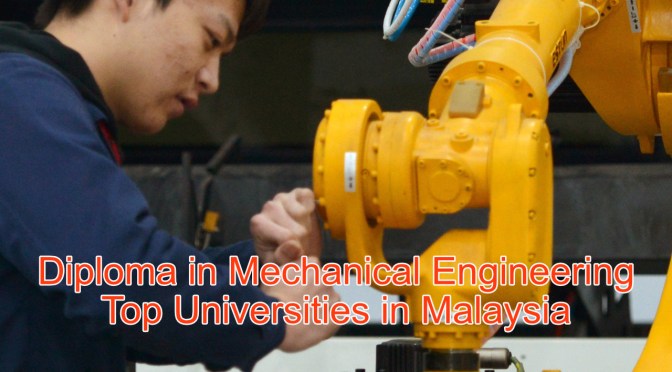







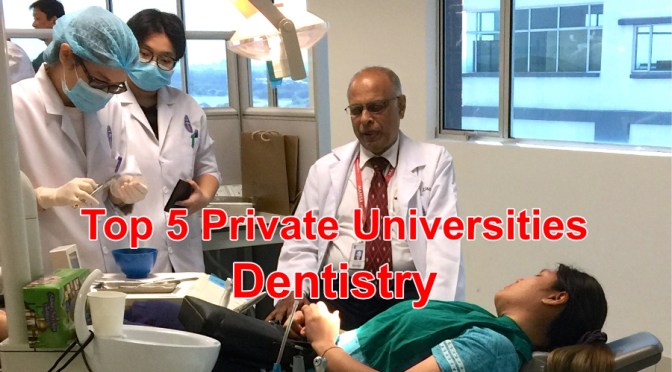






















 Top Private Universities & Colleges in Malaysia